Itoshima has no single centre and no checklist of monuments. Its pleasures are spread across a peninsula, a farming plain and a line of hills, and they change with the season: beaches in summer, a blazing maple in November, oysters in the cold months. Each guide below covers what to do, how to get there with and without a car, and which tours include it — plus two easy extensions, to Fukuoka and along the coast to Karatsu.
Things to See in Itoshima
Thirteen places and side trips that turn a photo stop into a proper day out.
The sunset coast
 The sunset coast
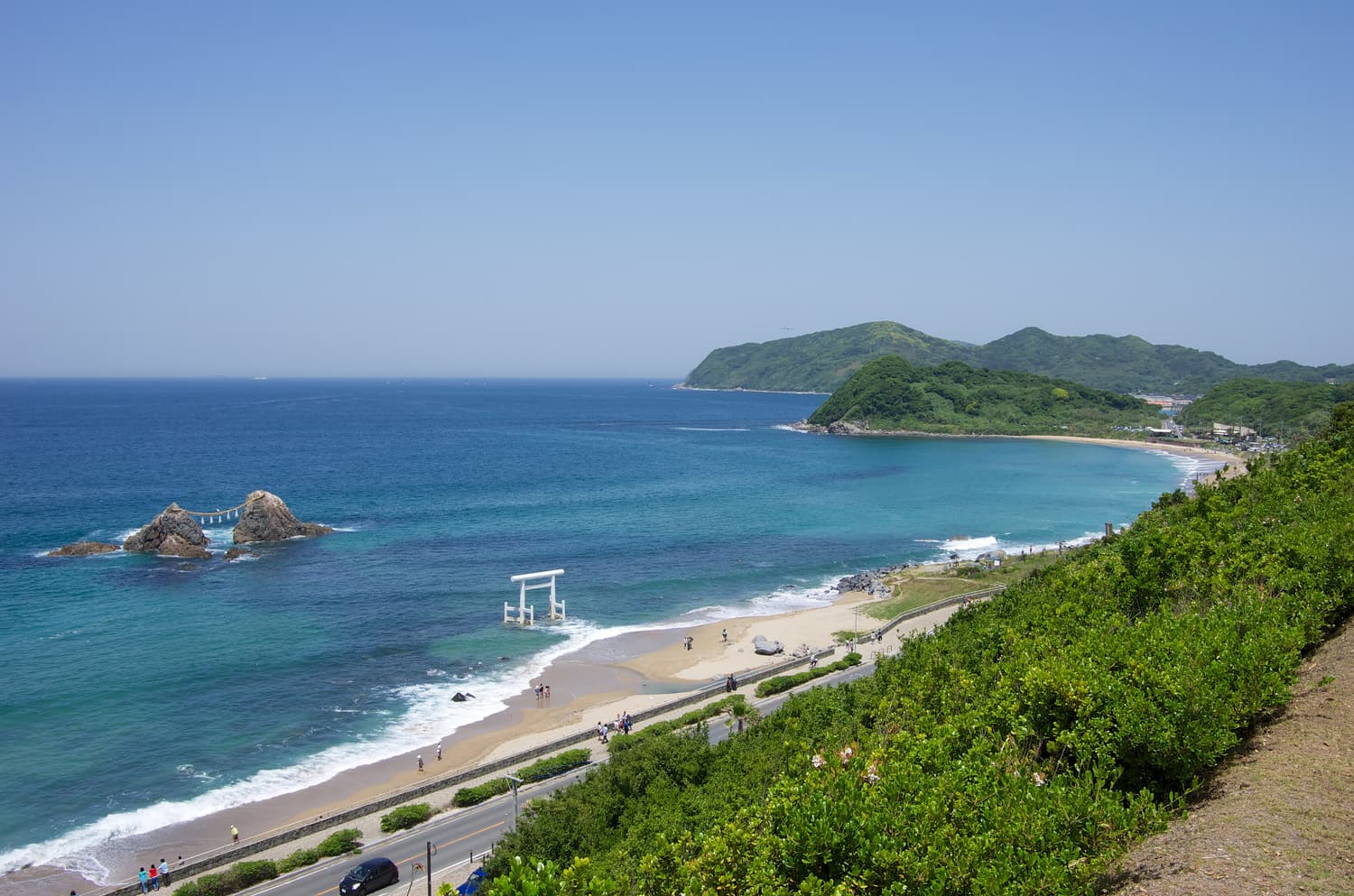
Sakurai Futamigaura
The married rocks and the white torii
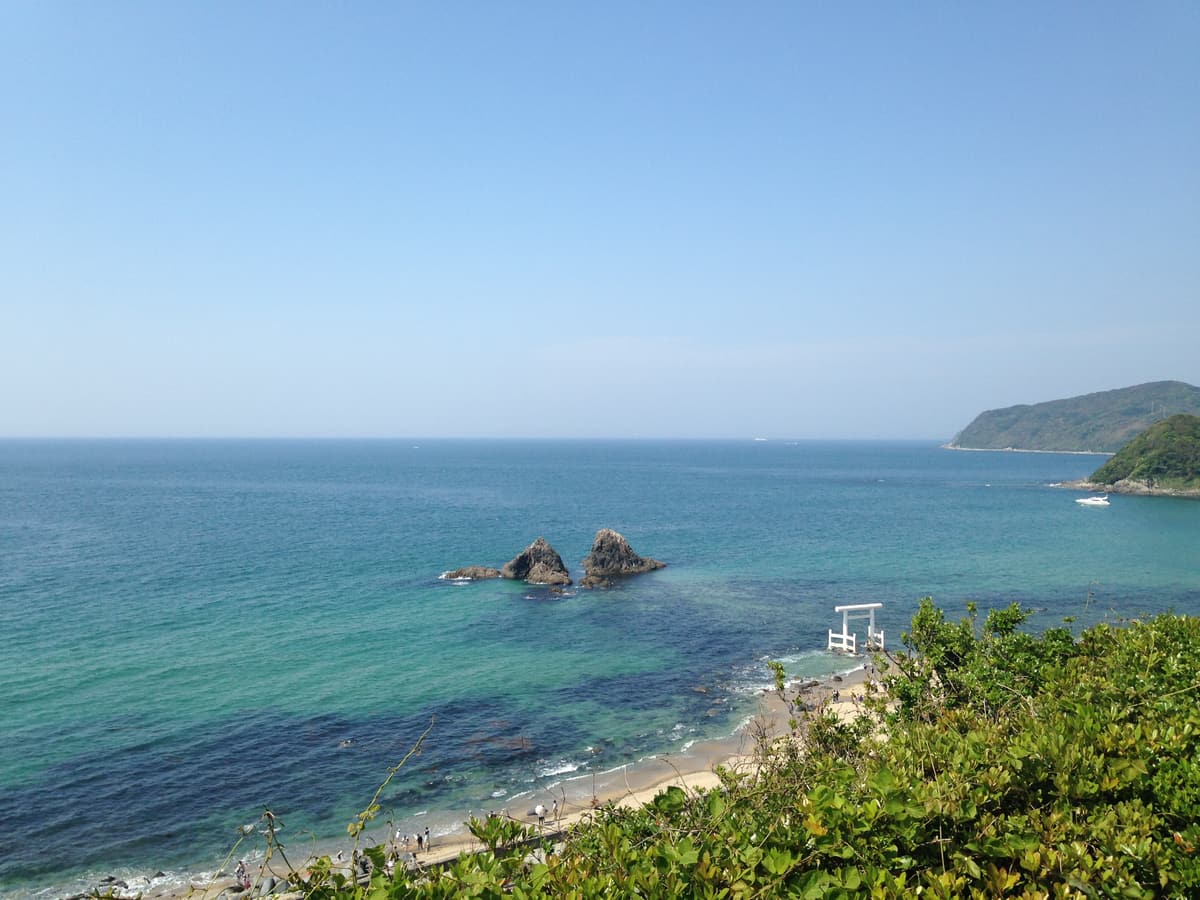
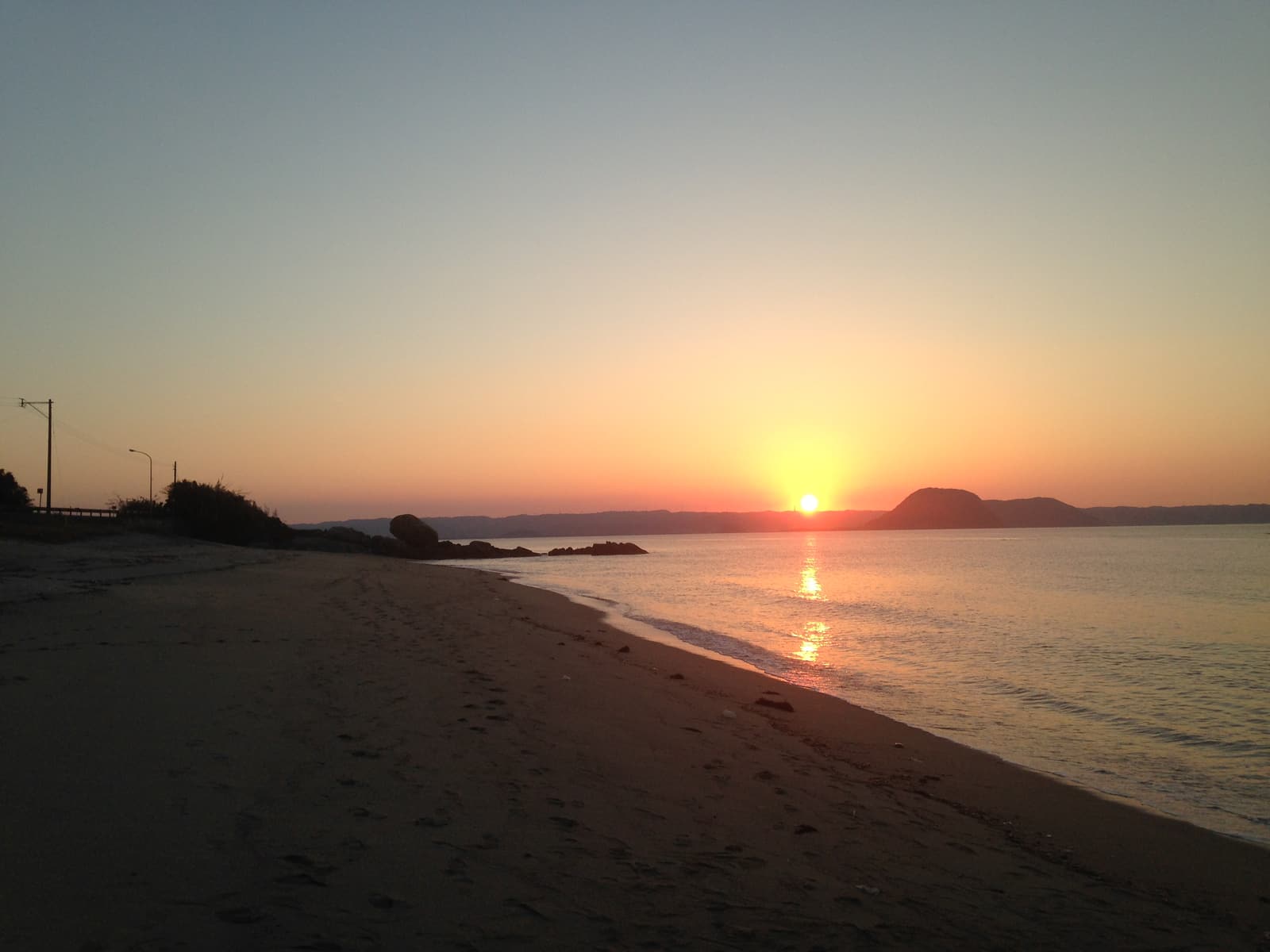
Two rocks tied together by a huge sacred rope stand about 150 metres offshore, framed by a white torii gate on the beach. It is the picture of Itoshima — at its best at sunset, and above all around the summer solstice, when the sun sets between the rocks.
 The sunset coast
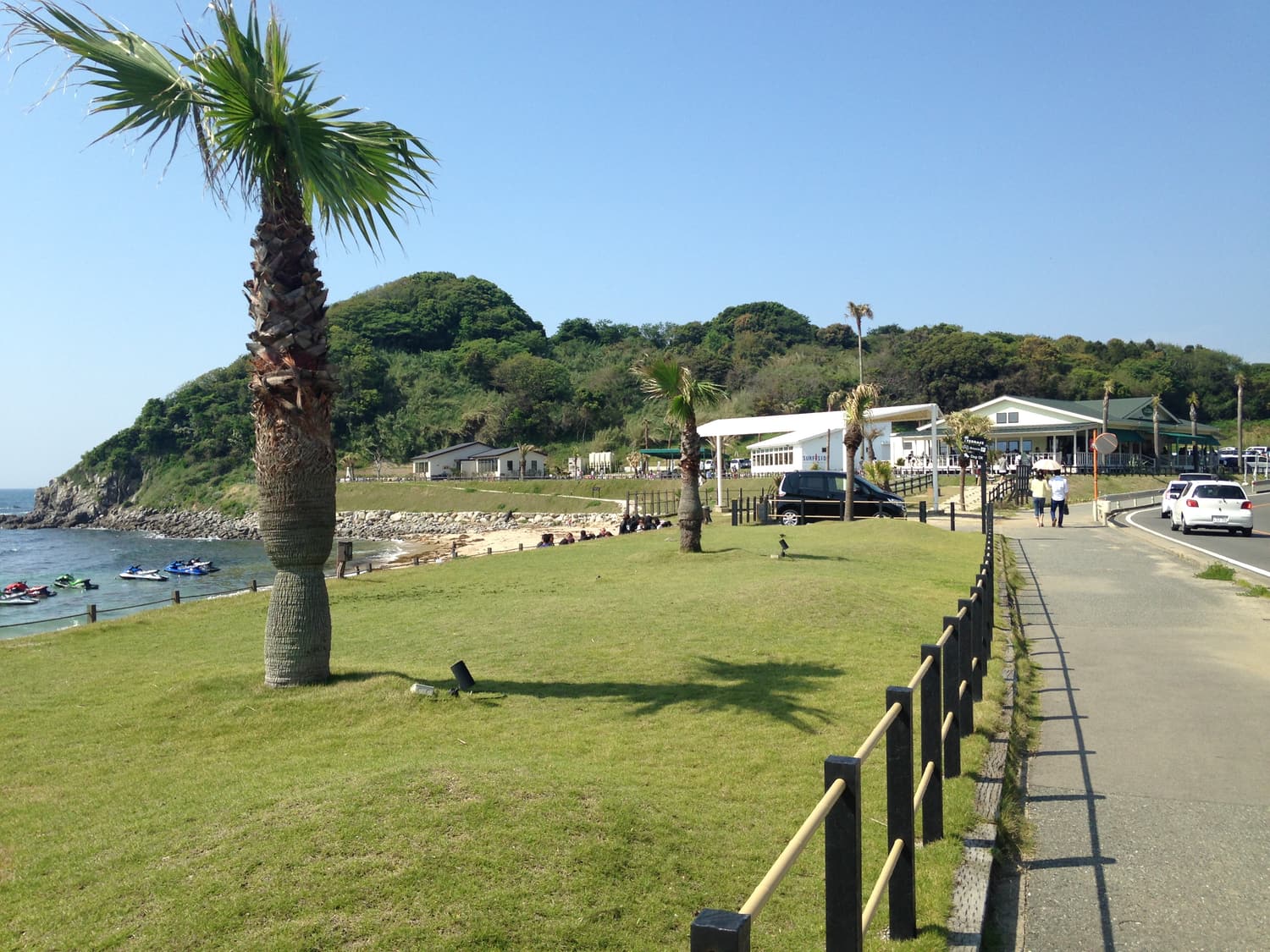
Sunset Road & Beach Cafés
The coast road of cafés, swings and photo spots
The Sunset Road follows the north-west coast of the peninsula past beaches, surf breaks and a string of sea-view cafés — Palm Beach, the London Bus Café, Zauo and its palm-tree swing. It is the Itoshima of social media, and it is best driven or cycled slowly.
 The sunset coast
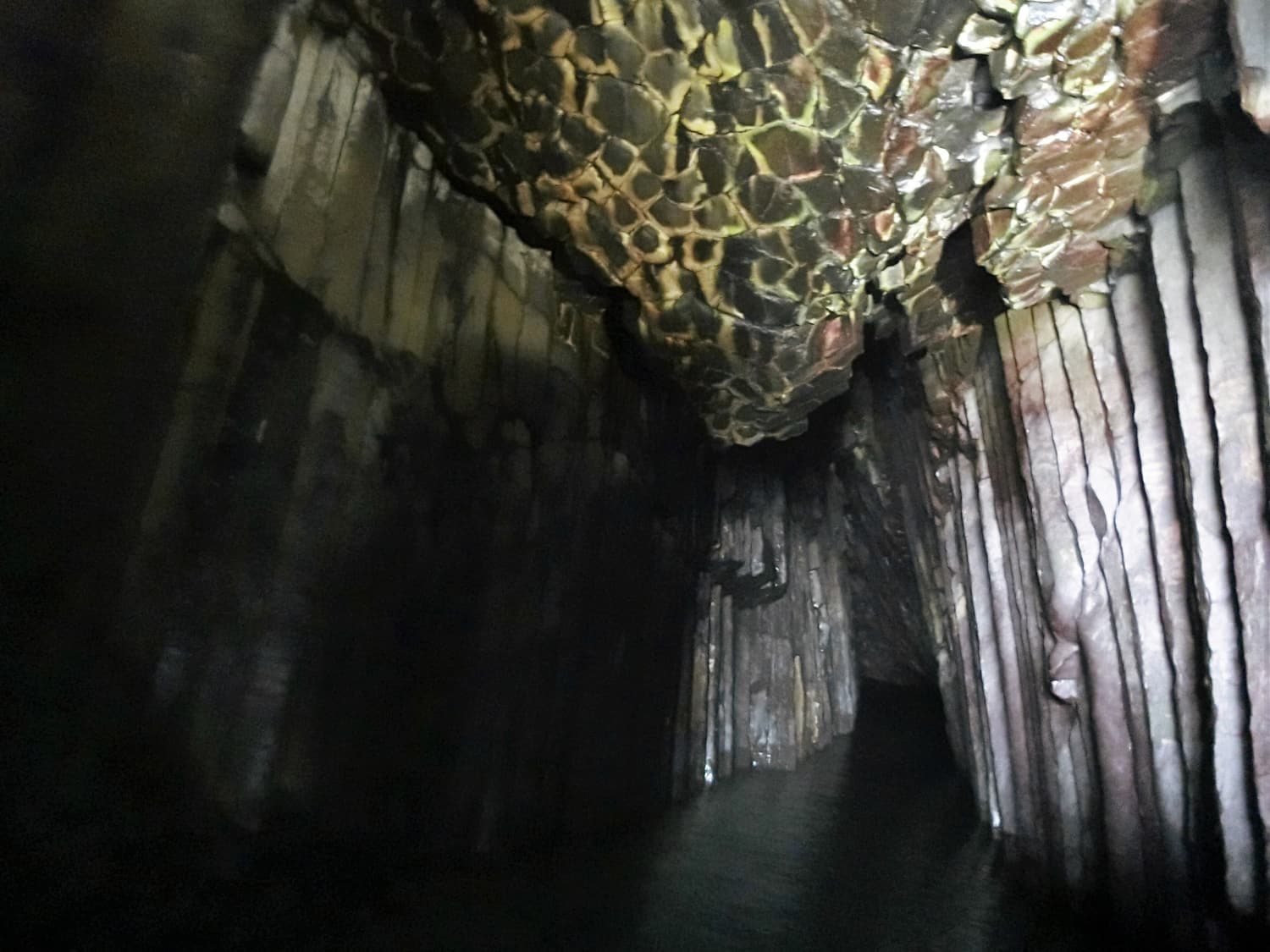
Keya no Oto Sea Cave
A basalt cathedral you enter by boat
At the western tip of the peninsula a 64-metre cliff of hexagonal basalt columns rises from the Genkai Sea, pierced by a deep cave. Small sightseeing boats from Keya fishing port nose right into it when the sea allows; a short forest trail leads to a viewpoint above.
 The sunset coast
Beaches & Surfing
White sand, surf breaks and singing sand
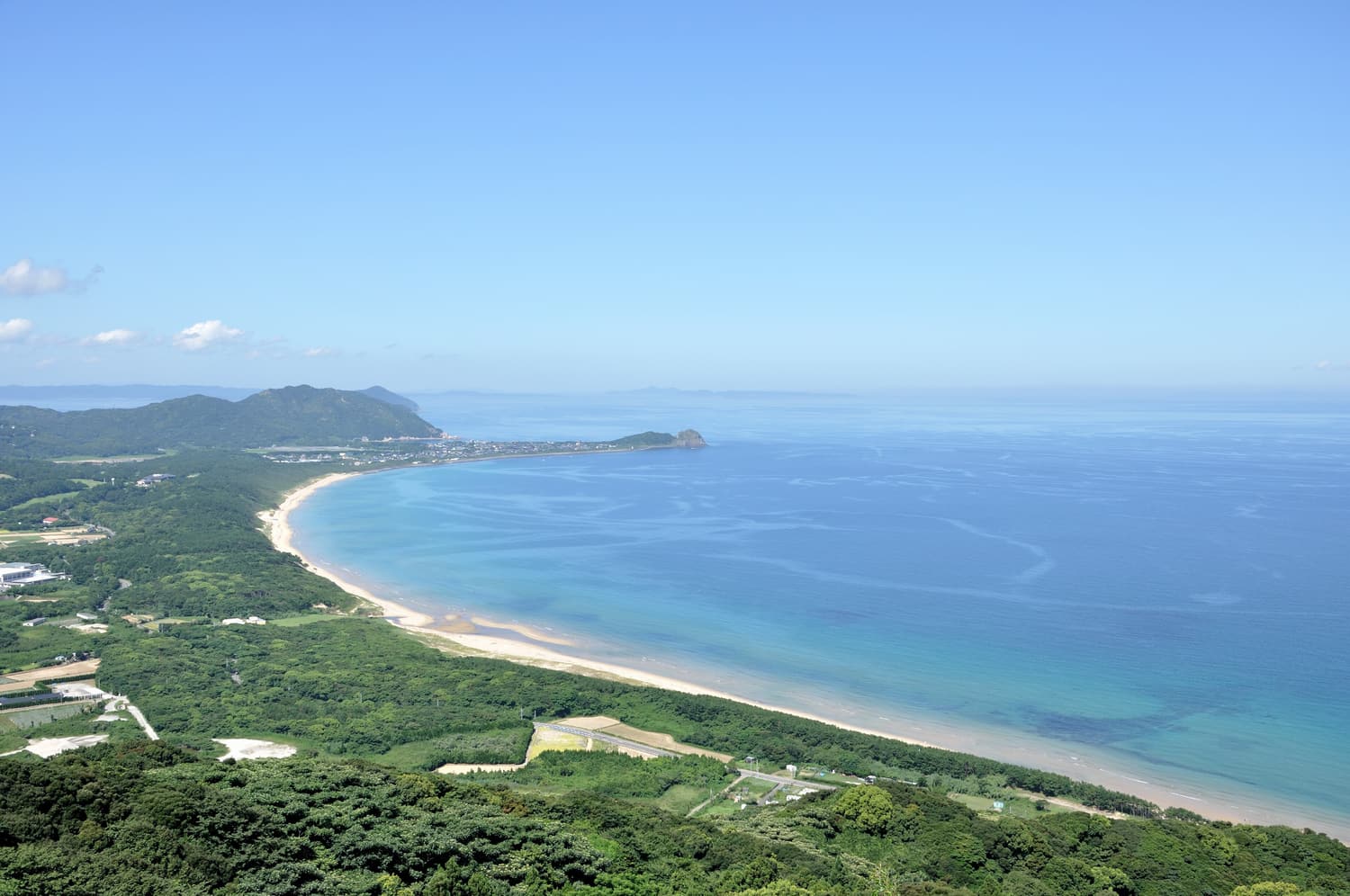
Itoshima’s north coast faces the open Genkai Sea: long white beaches, clear water and Fukuoka’s most reliable surf. Nogita is the surfers’ beach, Keya the classic swimming beach, and Anego-no-hama is famous for sand that squeaks under your feet.
Hills, falls & temples
 Hills, falls & temples
Shiraito Falls
A cool waterfall in the hills, with noodles
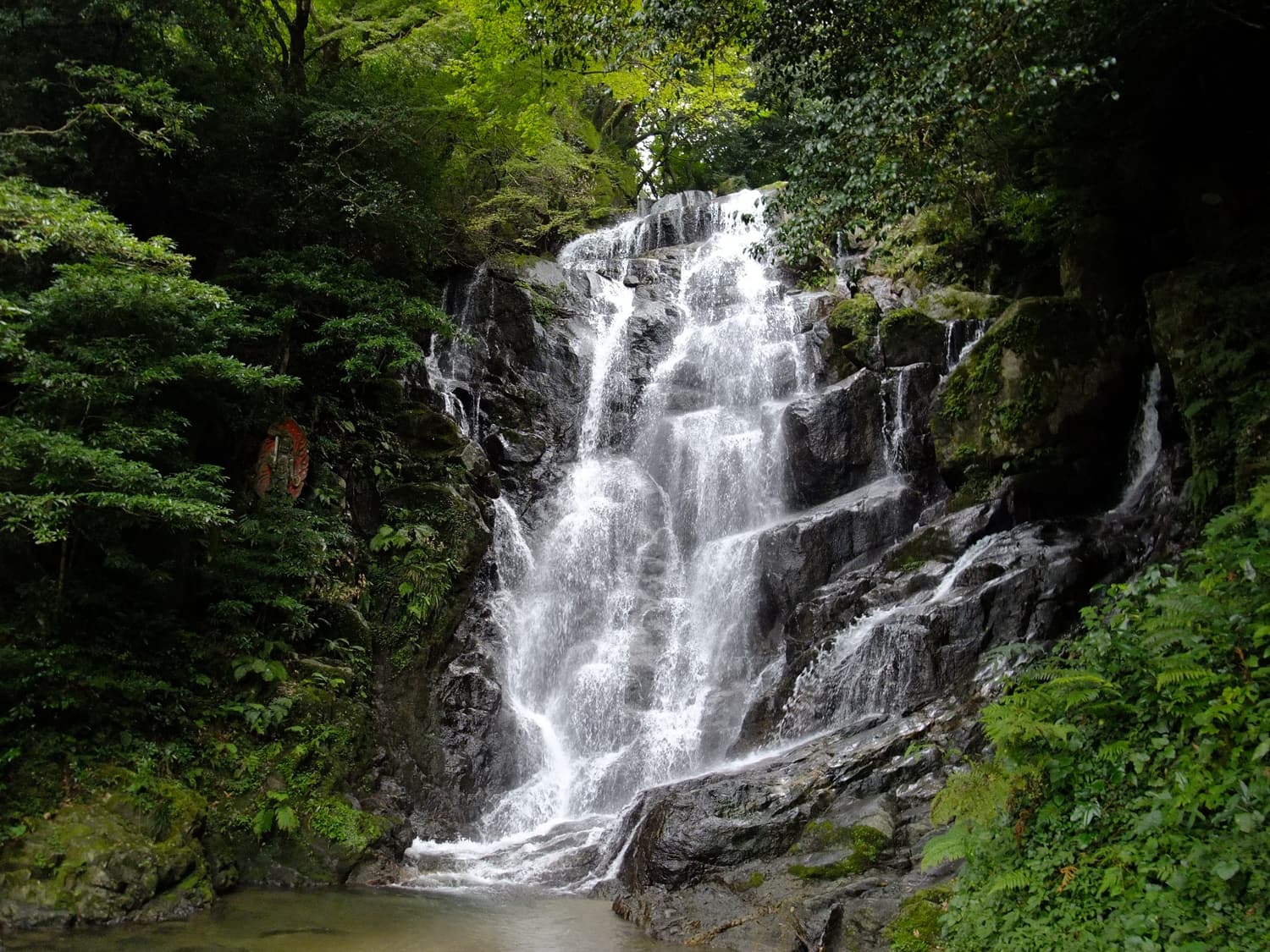
High in the hills behind the town, Shiraito Falls drops about 24 metres over a rock face into a shady glen. In summer families come to catch nagashi-somen noodles from bamboo flumes and fish for trout; in early summer the path is lined with hydrangeas.
 Hills, falls & temples
Raizan Sennyoji Temple
The great maple and a towering Kannon
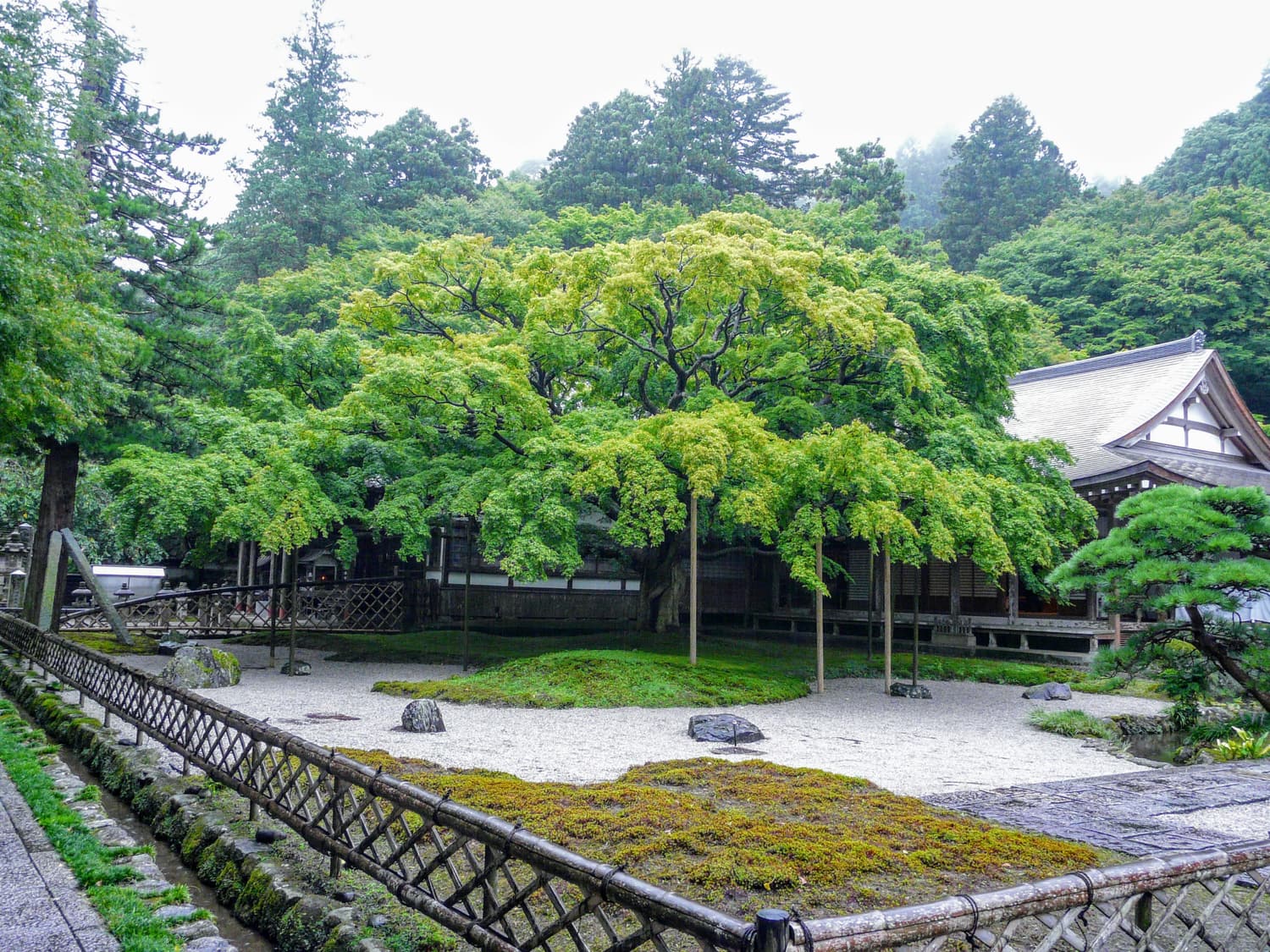
Raizan Sennyoji Daihioin sits on the slope of Mount Raizan. Its treasures are a giant maple some 400 years old that blazes red in November, a wooden Thousand-armed Kannon nearly five metres tall, and a hillside of small stone disciples.
 Hills, falls & temples
Tateishi-yama & Kaya-san Hikes
Short climbs, enormous sea views
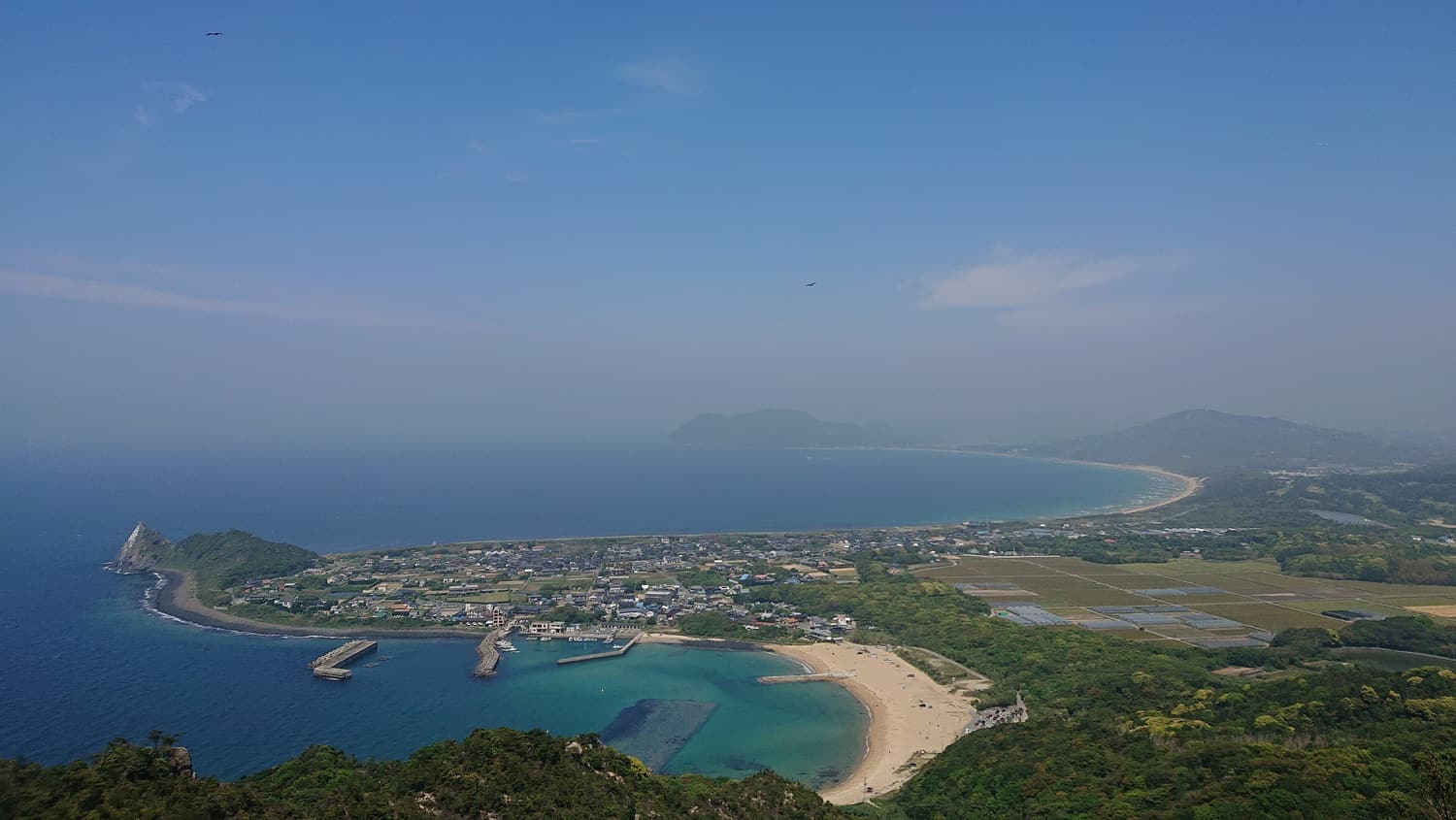
Two small mountains give the best views in Itoshima. Tateishi-yama (209 m) looks straight down on Keya beach and the cape; Kaya-san (365 m), nicknamed “Itoshima Fuji”, stands alone in the middle of the peninsula. Both can be climbed in a morning.
Food, crafts & history
 Food, crafts & history
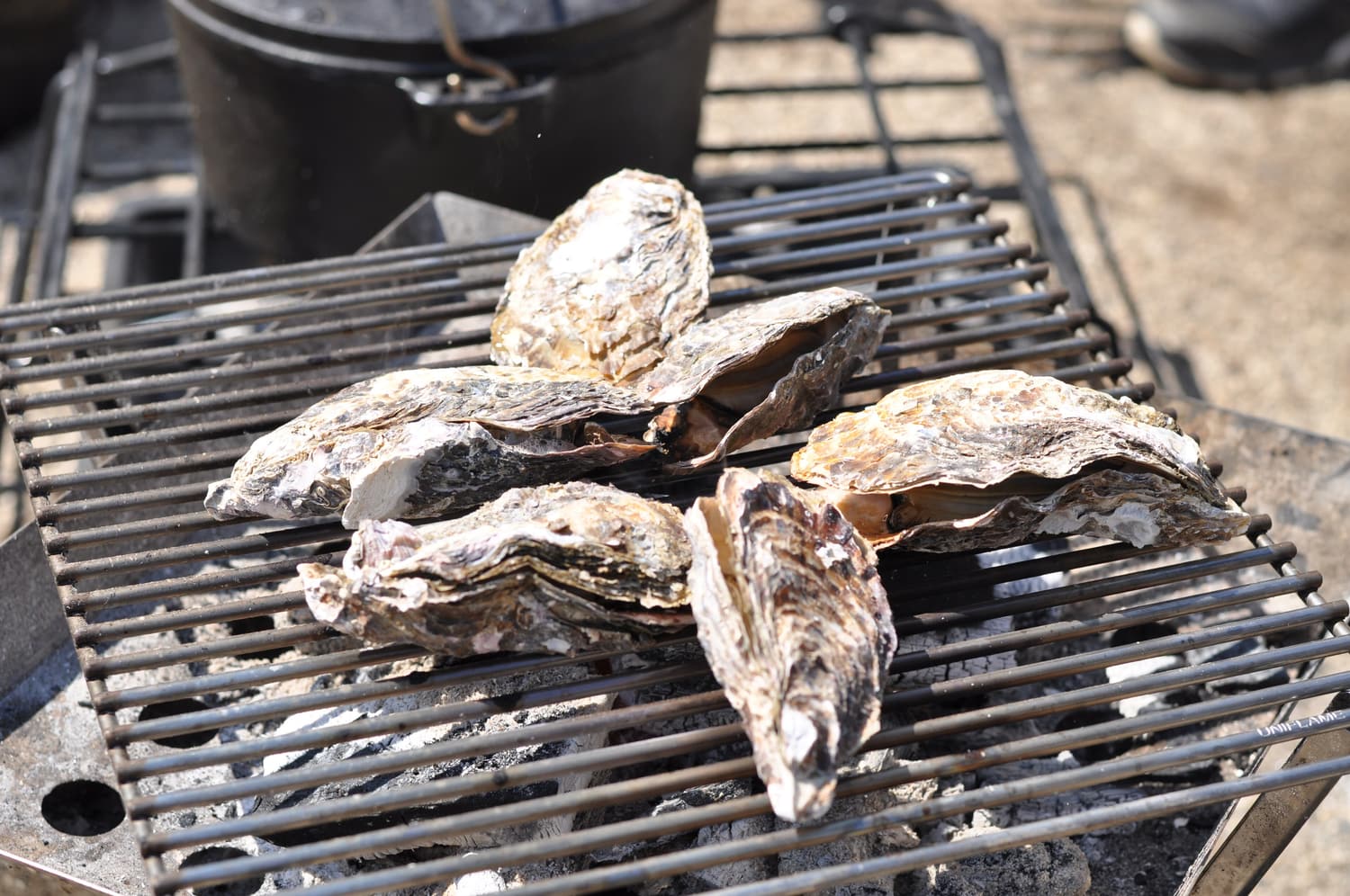
Winter Oyster Huts
Grill-your-own oysters at the fishing ports
From about late October to March, fishermen’s cooperatives open rows of kakigoya — plain huts and tents where you buy oysters by the kilo and grill them yourself over charcoal or gas. Kishi, Funakoshi, Kafuri and Fukuyoshi are the main ports. It is Itoshima’s great winter ritual.
 Food, crafts & history
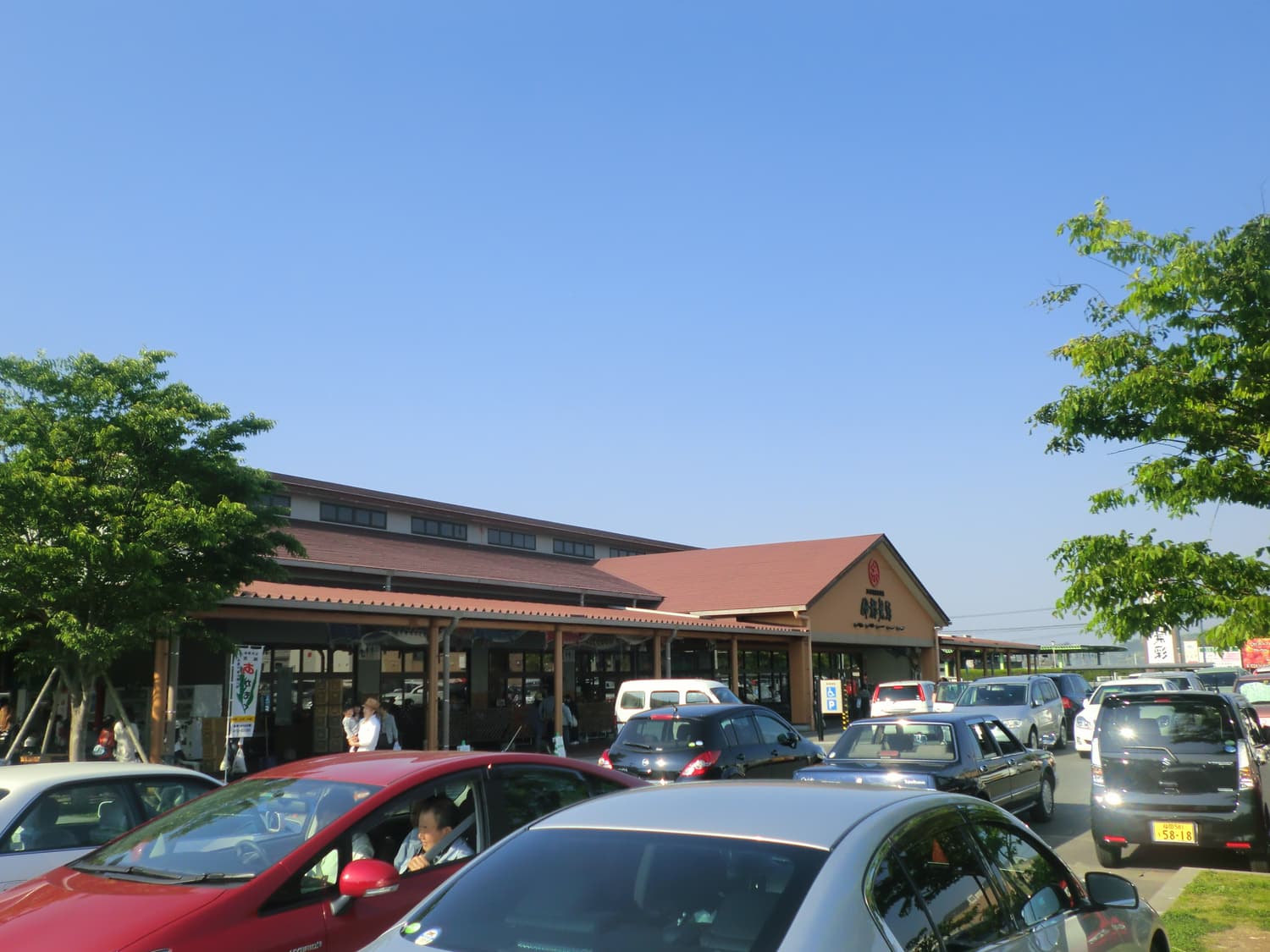
Markets, Salt & Craft Studios
Farm stands, a seaside salt works and makers
Itoshima feeds Fukuoka: its vegetables, fish, pork and eggs fill the huge Ito Saisai farmers’ market each morning. Add the seaside Mataichi salt works with its salt pudding, a sake brewery, bakeries and a scatter of craft studios, and you have a delicious day with no “sights” at all.
 Food, crafts & history
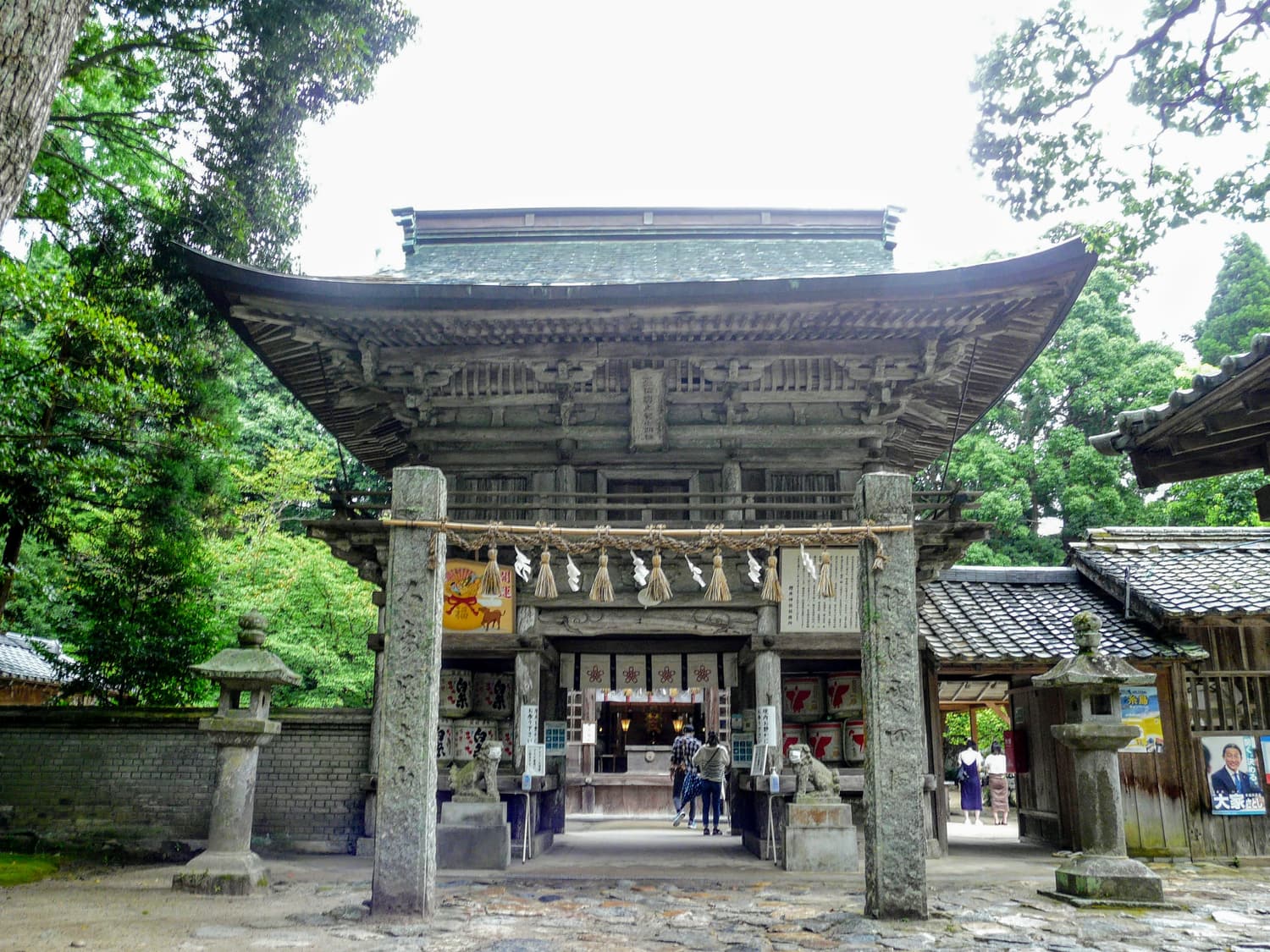
Sakurai Shrine
A 17th-century shrine in the woods
Founded in 1632 by the lord of the Fukuoka domain, Sakurai Shrine is a quiet complex of weathered, richly carved buildings among tall trees, two kilometres inland from Futamigaura — whose married rocks are part of the shrine. A calm counterpoint to the busy coast.
 Food, crafts & history
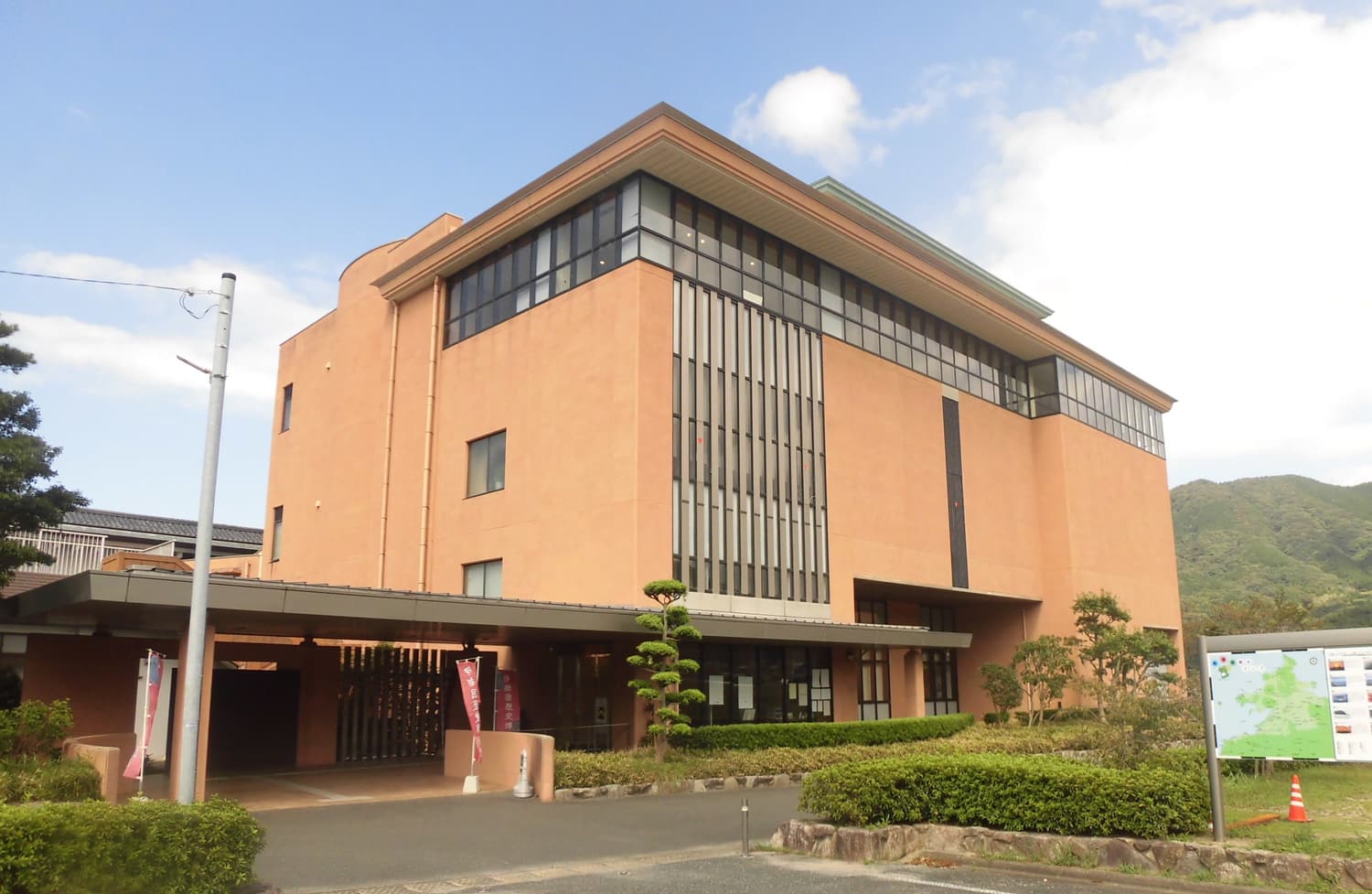
Itokoku History Museum
The ancient kingdom of Ito and its giant mirrors
Nearly two thousand years ago this plain was Ito-koku, a kingdom named in Chinese chronicles as a gateway to the Japanese islands. The museum displays the National Treasure finds from the nearby Hirabaru tomb, including the largest bronze mirrors ever found in Japan.
Fukuoka & beyond
 Fukuoka & beyond
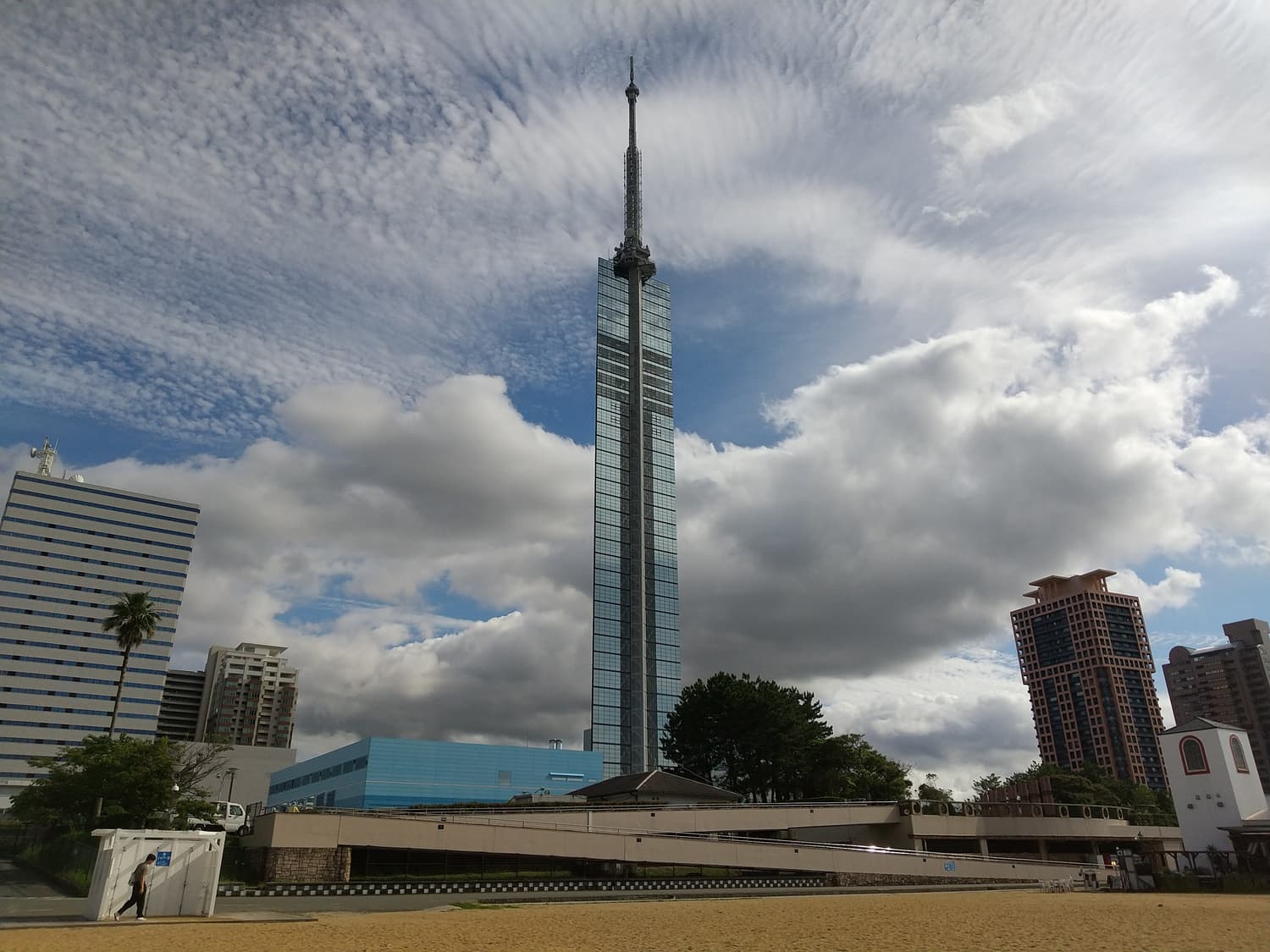
Fukuoka City
The gateway: yatai, Dazaifu and island flowers
Almost every trip to Itoshima starts in Fukuoka, 30–45 minutes away by direct train. Kyushu’s biggest city adds open-air yatai food stalls, Hakata ramen, the shrine town of Dazaifu and the flower island of Nokonoshima — and far more hotels.
 Fukuoka & beyond
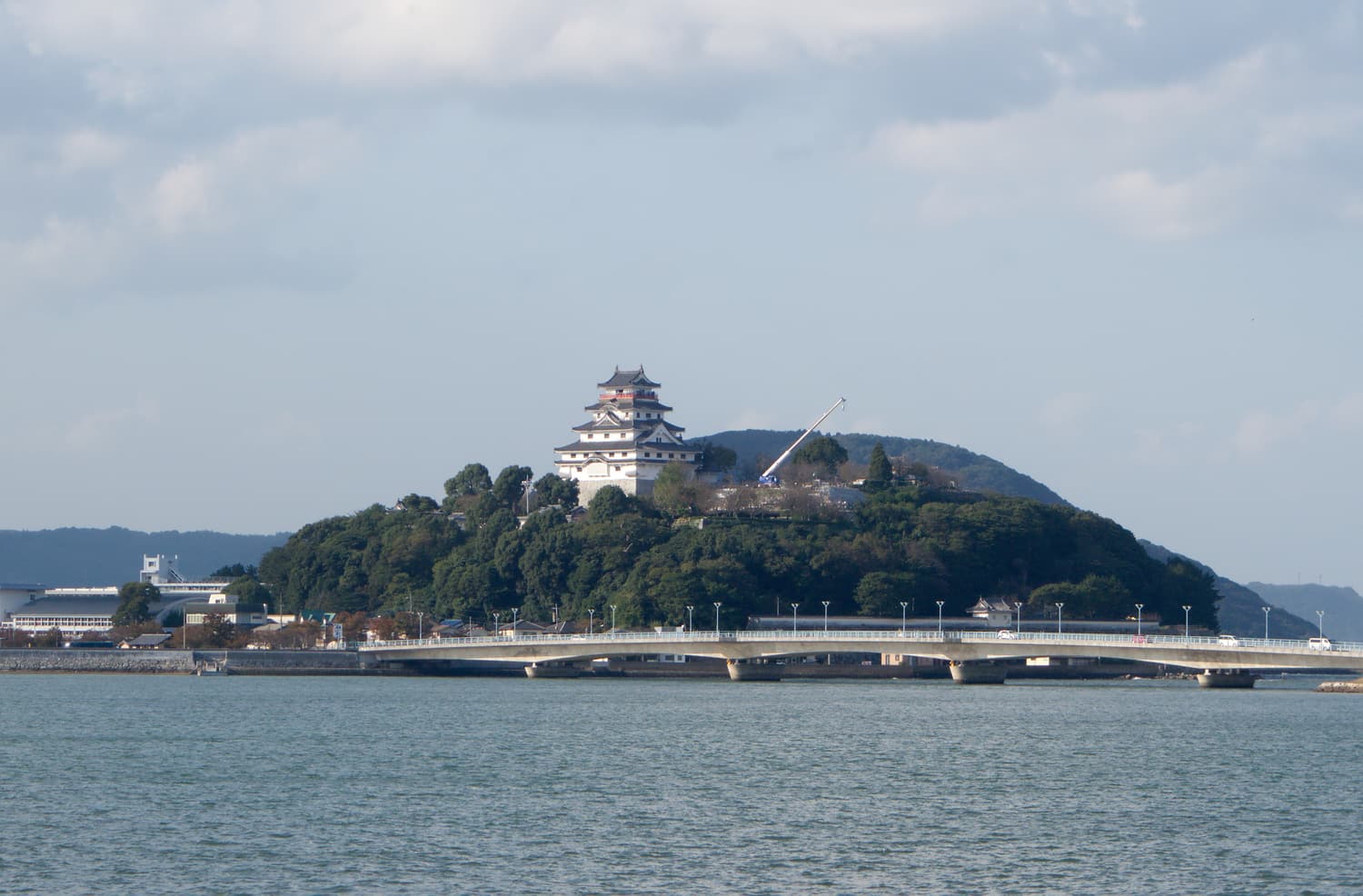
Karatsu & Yobuko
A castle, a pine forest and translucent squid
The same railway line that brings you to Itoshima carries on along the coast to Karatsu in Saga Prefecture: a seaside castle, a famous pottery tradition and the long Niji-no-Matsubara pine grove. Beyond it, the port of Yobuko serves squid so fresh it is still transparent.
A classic full day with a car: Shiraito Falls first thing, then Raizan Sennyoji. Down to the plain for the Ito Saisai market and lunch — an oyster hut in winter. In the afternoon, Sakurai Shrine, then west along the Sunset Road with a stop at the salt works and Keya, and back to Futamigaura for sunset. Without a car, pick one: Futamigaura by bus, or oysters by train. See getting to Itoshima or let a tour do the driving.
Plan your visit
Make Itoshima the best day of your Fukuoka trip
The married rocks, the Sunset Road, waterfalls and oyster huts are 45 minutes from the city — but spread out and thin on buses. Compare guided day trips and private tours and book in a couple of taps.