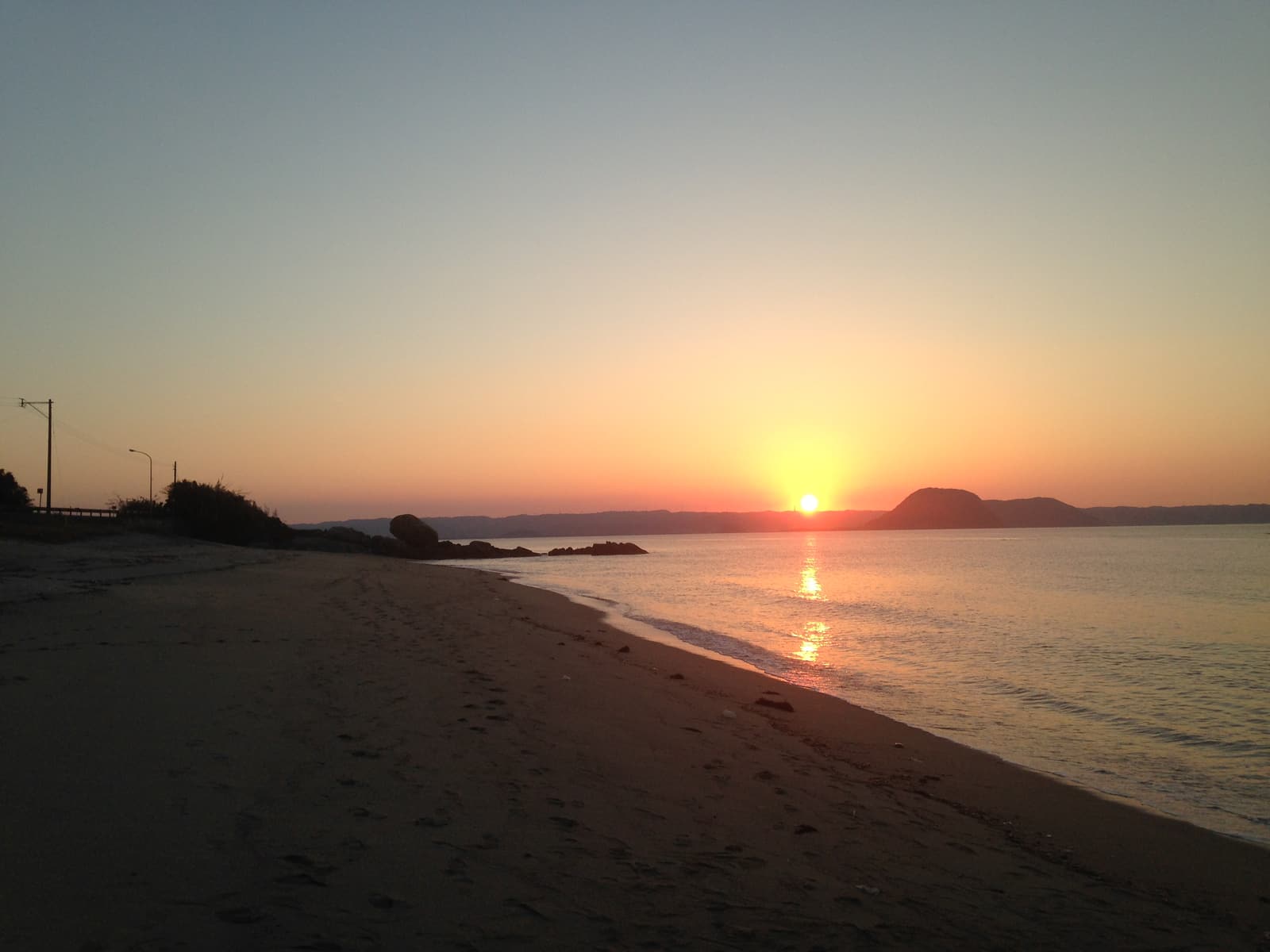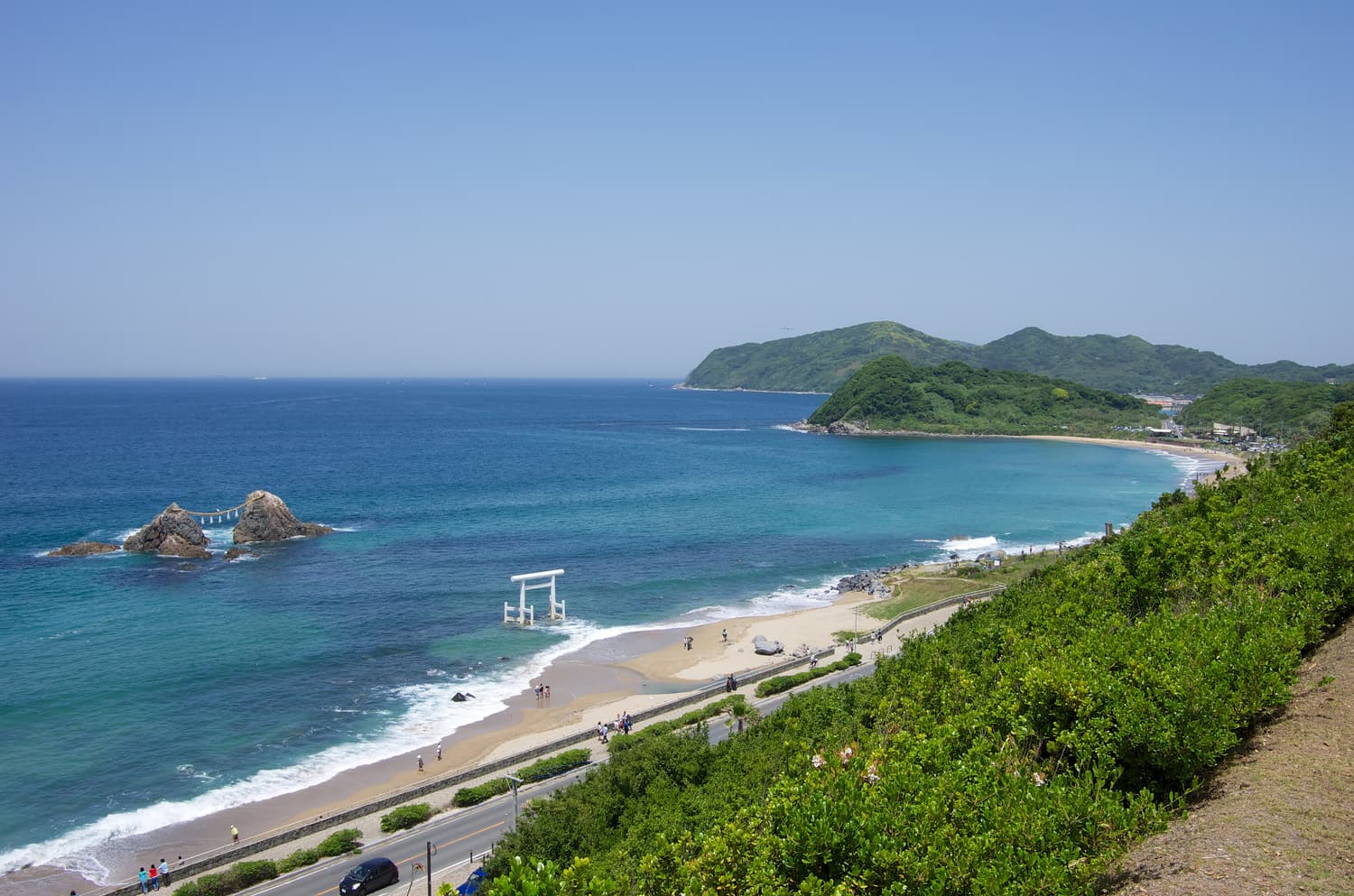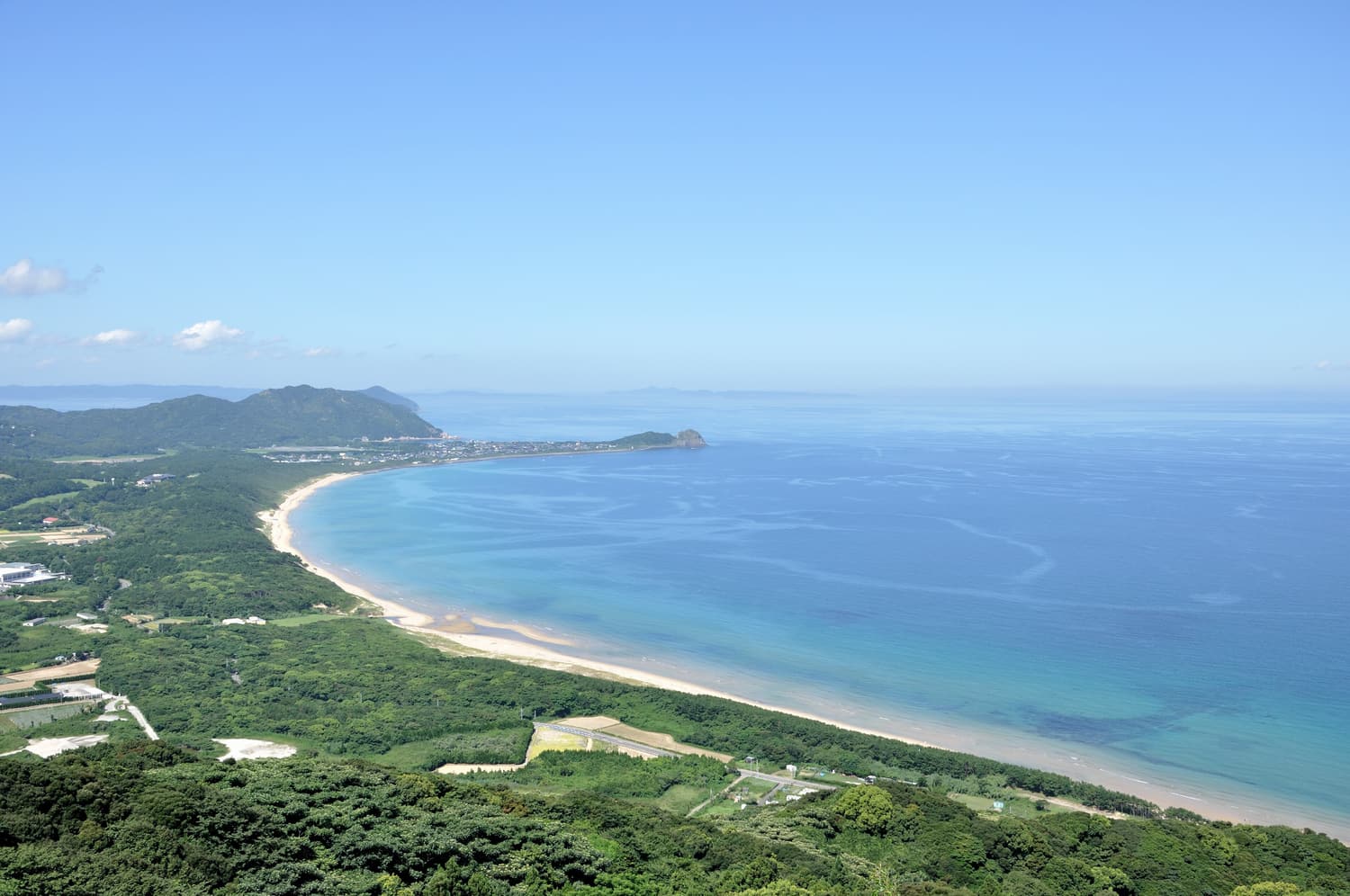
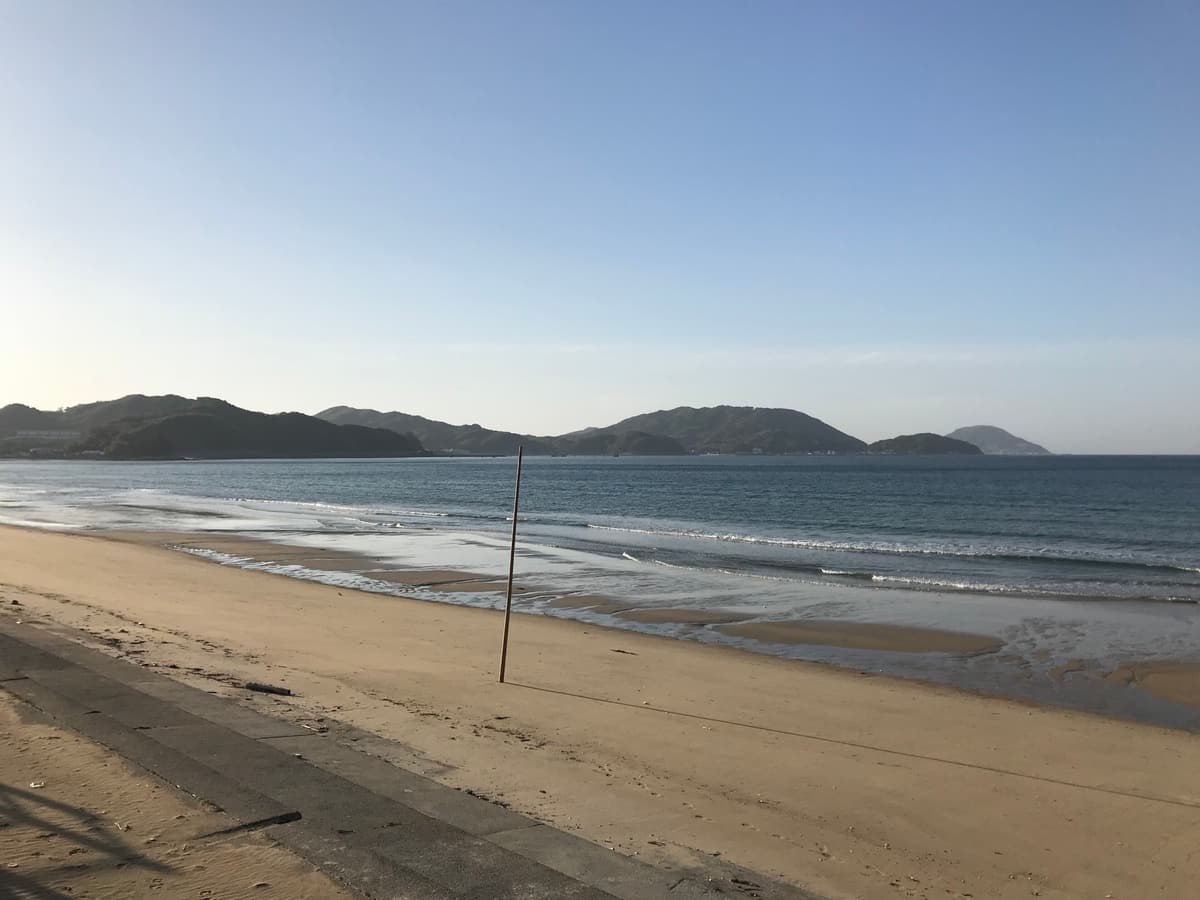
Itoshima is where Fukuoka goes to the beach. The north and west coasts of the peninsula face the open Genkai Sea, and the water is clearer and the sand whiter than anything inside Hakata Bay. The official swimming season is short — roughly July and August, when the beach houses open — but people walk, picnic and surf here all year.
It is also the surfing centre of northern Kyushu. Swells from the Sea of Japan are most consistent from autumn to spring, and the wetsuit crowd is a large part of how Itoshima got its relaxed, café-and-camper-van character.
Top things to do: Beaches & Surfing
Surf — or watch the surfers — at Nogita
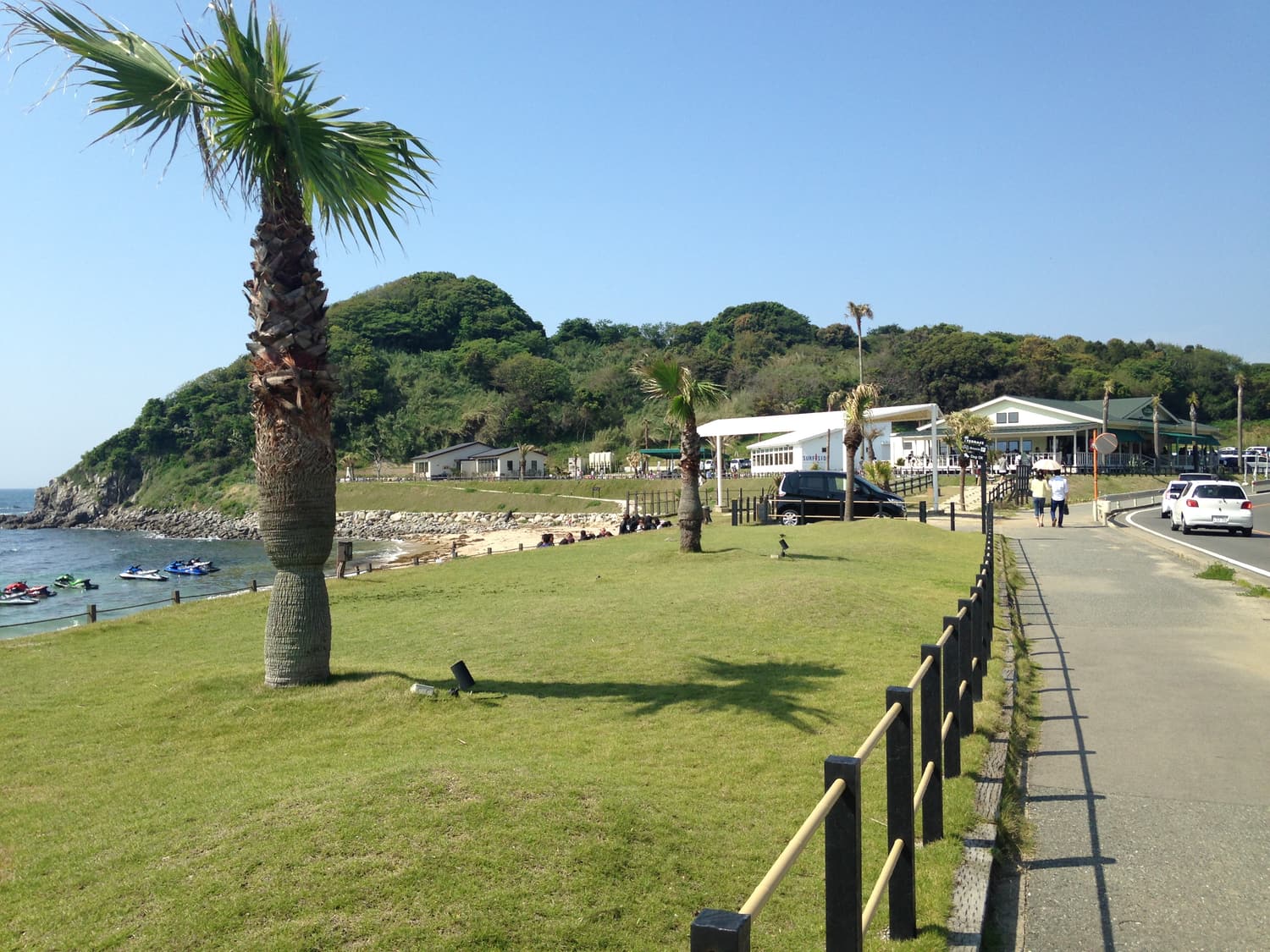
Nogita beach, on the Sunset Road, is the best-known surf spot in Fukuoka Prefecture. Surf shops in the area rent boards and run beginner lessons; the cafés above the beach are the place to watch from if you would rather stay dry.
Swim at Keya
Keya beach is the classic family swimming beach: shallow, sheltered and regularly listed among Japan’s best swimming beaches. In July and August beach houses rent parasols and showers.
Make the sand sing at Anego-no-hama
On the western, Nijo side of Itoshima, Anego-no-hama is a naki-suna beach: when the quartz-rich sand is clean and dry, it squeaks under your feet as you shuffle. It works best on a dry day at the top of the beach, and it is a reminder to take every scrap of litter home — dirty sand stops singing.
Find a quieter stretch
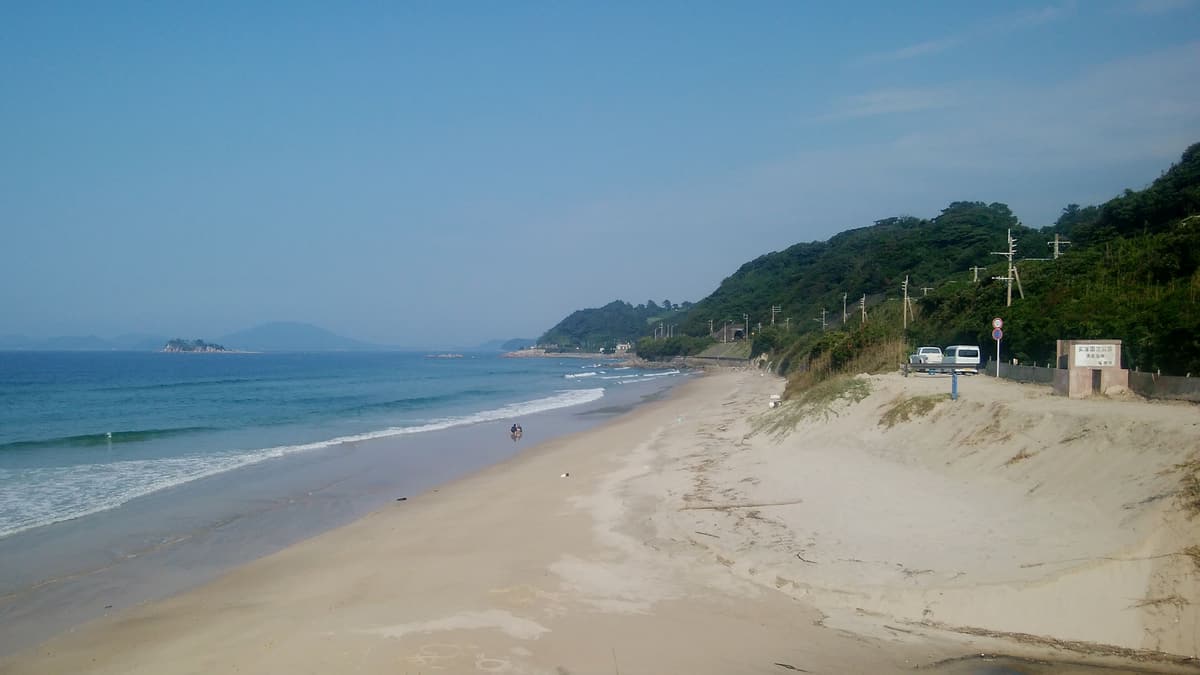
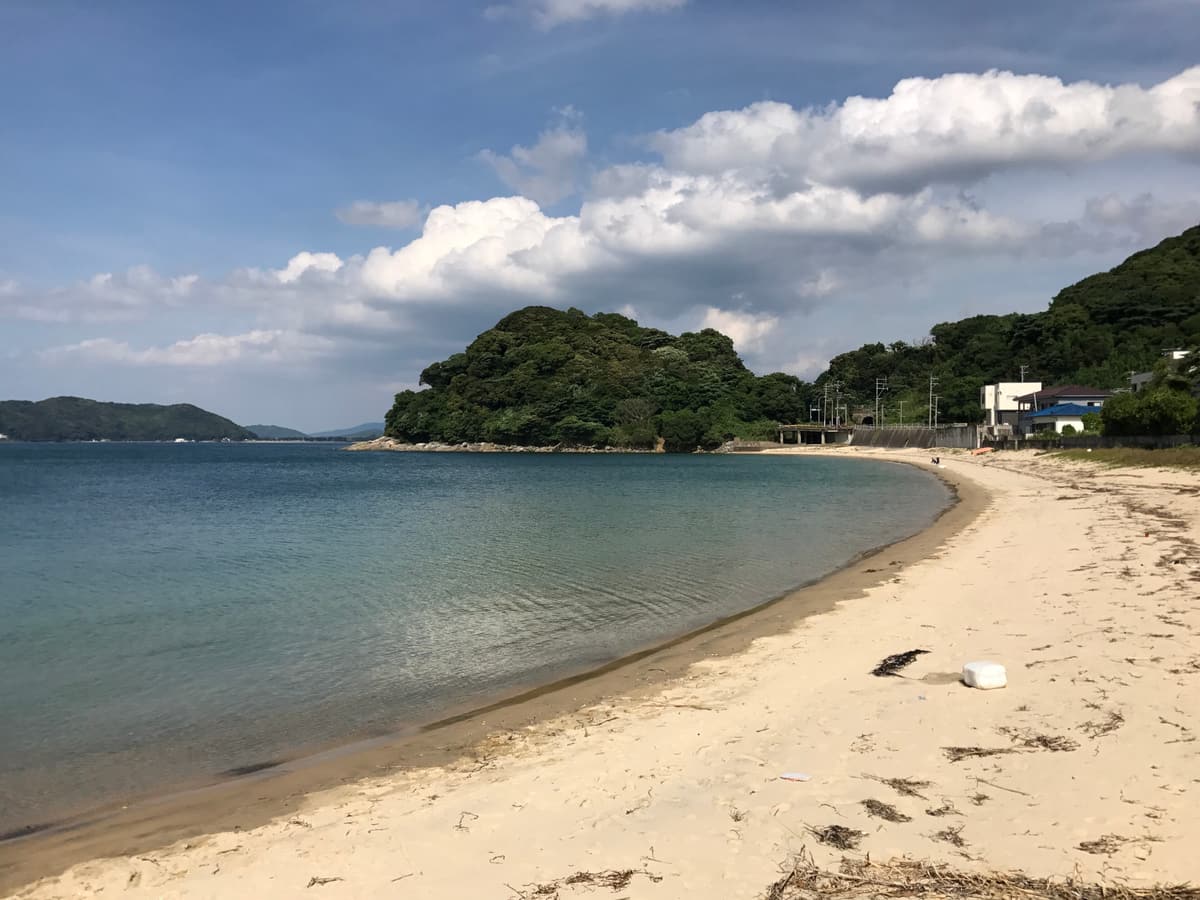
The long, pine-backed Nagi-no-hama and the small beaches of the Nijo coast — Fukae, Dainyu, Fukuyoshi — see far fewer people than Futamigaura and Keya, and several are only a short walk from a JR Chikuhi Line station.
How to get there
- Nogita and Futamigaura: on the Sunset Road; a car or e-bike is the practical way.
- Keya: by bus from Chikuzen-Maebaru Station or by car.
- Nijo coast (Fukae, Dainyu, Fukuyoshi, Anego-no-hama): the JR Chikuhi Line runs right along this shore. Chikuzen-Fukae, Dainyu and Fukuyoshi stations are a few minutes’ walk from the sand; Anego-no-hama is on the coast road near Shikaka.
Insider tips
- Lifeguards and beach houses operate only in the official season, typically July and August. Outside it, swim with caution — the open coast has waves and currents.
- Jellyfish become more common from mid-August.
- In winter the north-west wind is strong and cold; the beaches are for walking, not lingering.
- Beach car parks often charge a fee in summer.
Best tours & tickets: Beaches & Surfing
These top-rated experiences are the easiest way to see Beaches & Surfing and the rest of Itoshima:
 Private tour from US$95
Customized Itoshima Photogenic Tour
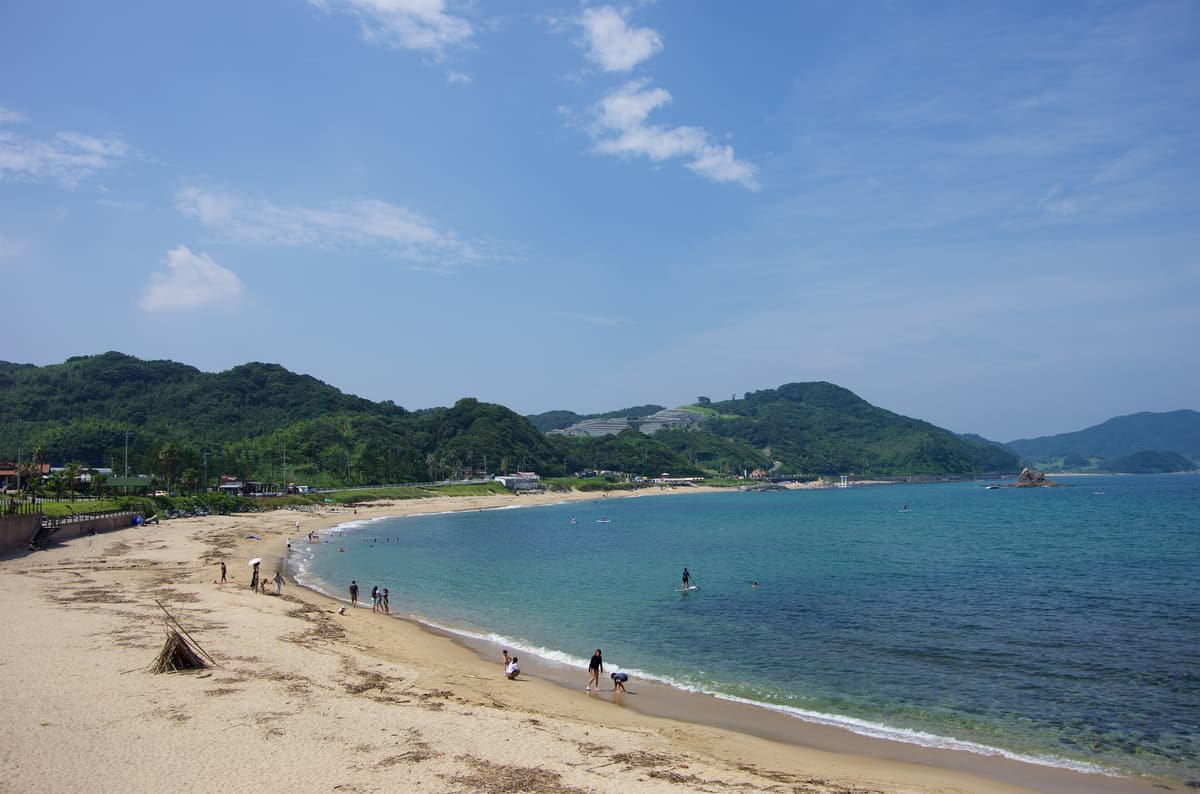
A six-hour private tour that you shape with the guide: choose the coast, nature spots or local food and skip what does not interest you. With pickup available and one of the highest ratings of any Itoshima product, it is the flexible alternative to the fixed coach routes.
- A private guide and a route built around your interests
- Nature spots and local food stops
- Pickup available
 Activity from US$190
Fukuoka: Premium Paragliding Tandem Flight in Itoshima
A tandem motorized paragliding flight with a professional pilot, looking down on the Genkai Sea and the green coastline of Itoshima. Flights depend on the weather, so keep your schedule flexible on the day.
- A tandem motorized paraglider flight
- A professional pilot at the controls
- Views over the Genkai Sea and the coastline
 Private tour from US$614
Fukuoka: Itoshima, Karatsu Castle & Shrines Private Tour
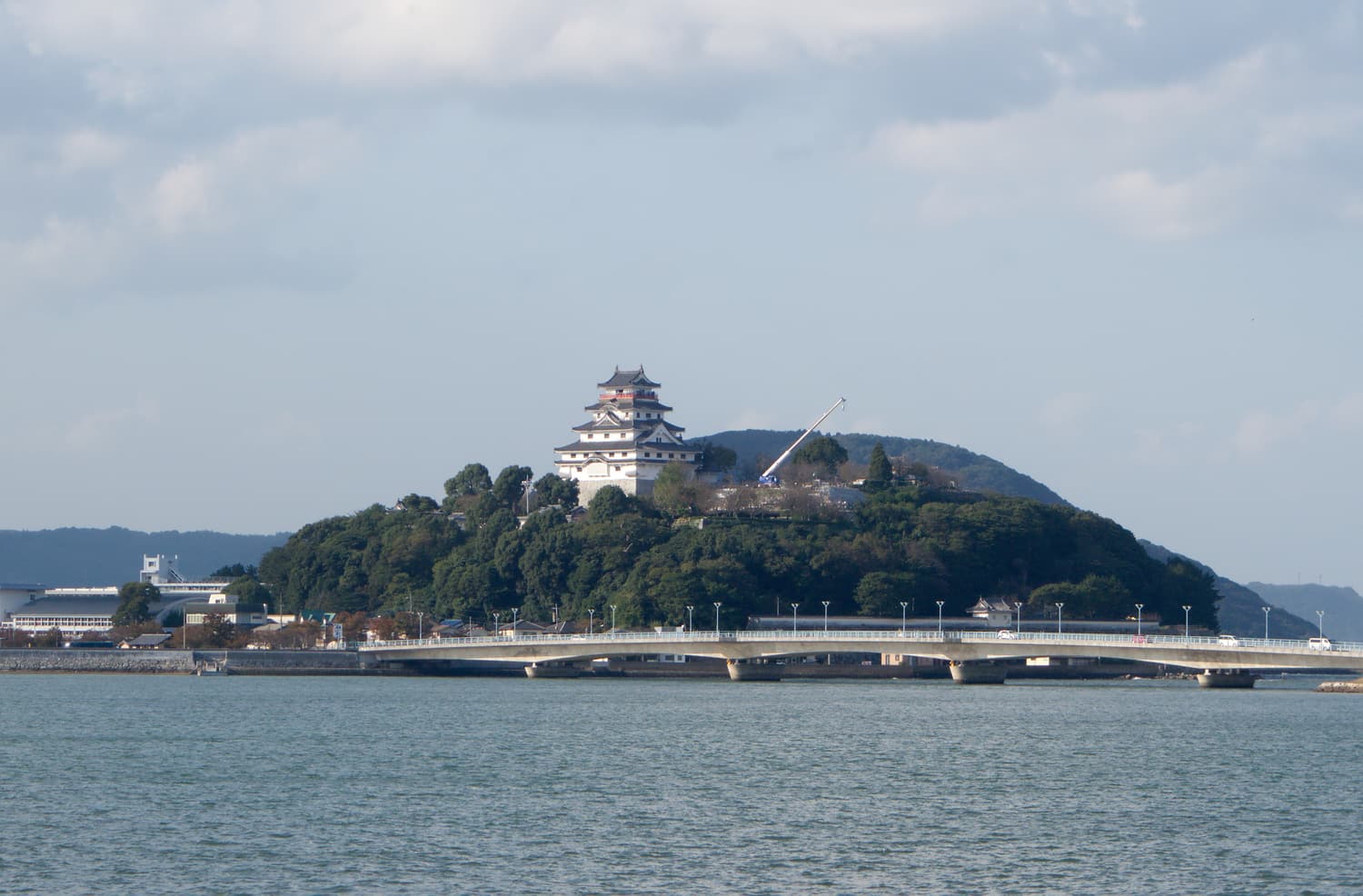
A private, customizable day with pickup that continues west along the coast from Itoshima to Karatsu in Saga Prefecture, linking Itoshima’s beaches with Karatsu Castle and shrines along the way.
- Itoshima’s beaches
- Karatsu Castle
- Shrines along a scenic coastal drive