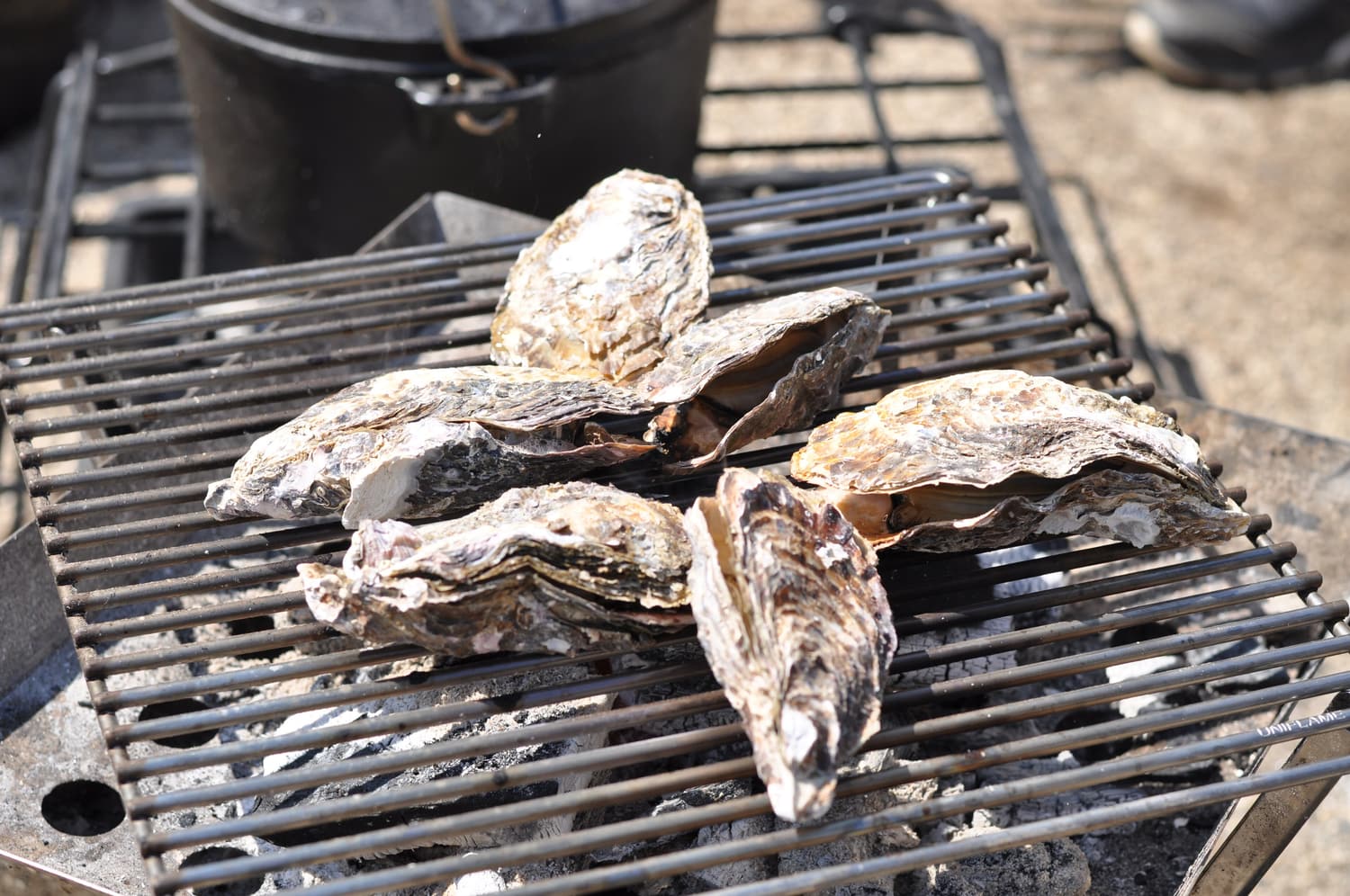
When the weather turns cold, Itoshima turns to oysters. From about late October to March, the fishing cooperatives of the peninsula open kakigoya — oyster huts — beside their harbours: long, plain structures of plastic sheeting and steel frames filled with tables, each with its own grill. You buy oysters raised in the bay outside, tip them onto the heat and eat them the moment they open.
There are huts at several ports. Kishi has the biggest cluster; Funakoshi, Kafuri and Fukuyoshi are the other well-known names. It is noisy, smoky, cheap and tremendous fun — and it is the reason many Fukuoka people come to Itoshima at all between November and February.
Top things to do: Winter Oyster Huts
Grill your own oysters
Oysters are sold by weight — typically a basket of about a kilo, enough for one hungry person or two as a starter. Lay them flat side down, turn them when they start to steam, and prise them open with the glove and knife provided. Staff will show you if you look unsure.
Order around the oysters
Most huts also sell scallops, turban shells, squid, prawns and whatever else the boats brought in, plus oyster rice and miso soup. Many allow you to bring your own drinks, sauces and side dishes — lemon, butter, cheese — though rules differ from hut to hut.
Choose your port
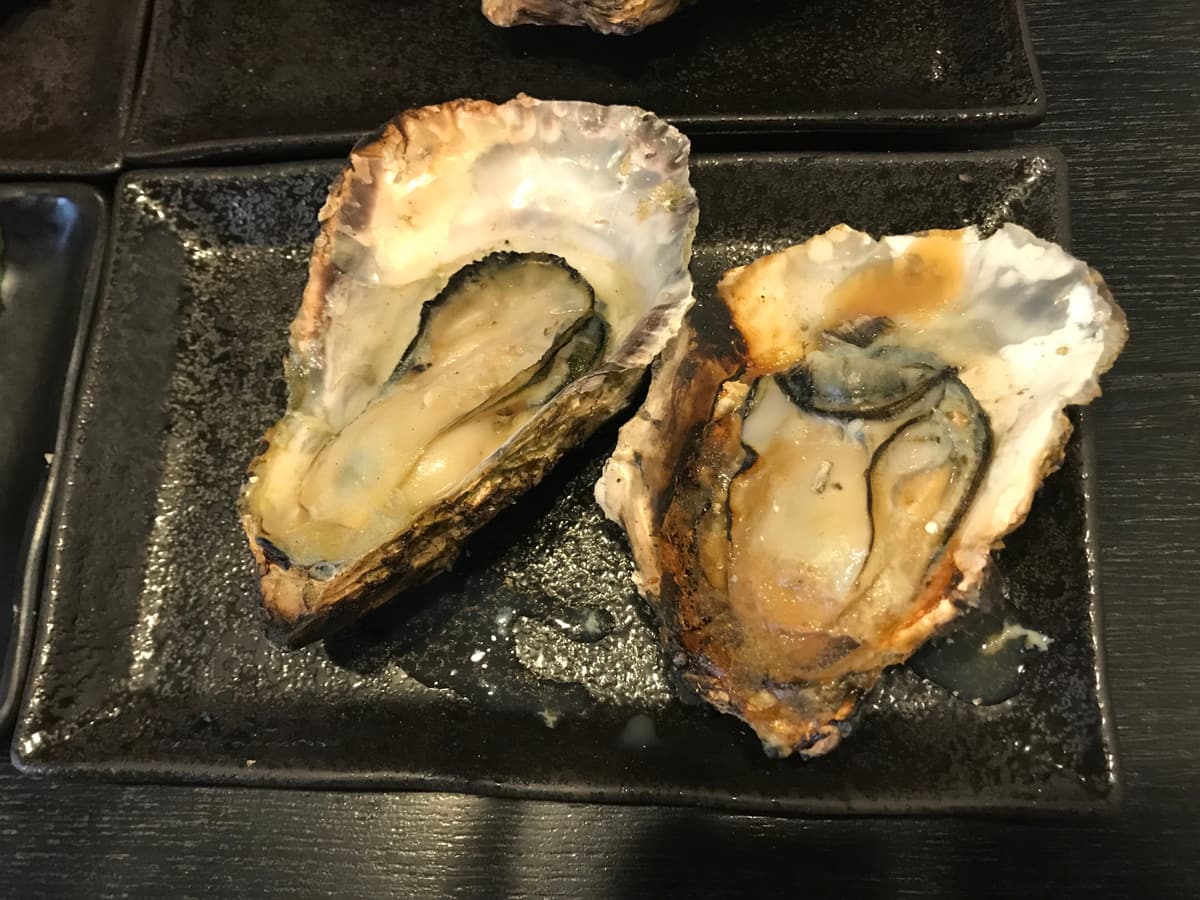
Kishi has the widest choice of huts and a lively atmosphere. Kafuri and Fukuyoshi are the ones to pick without a car, as each is within walking distance of a JR Chikuhi Line station. Funakoshi is a little quieter.
How to get there
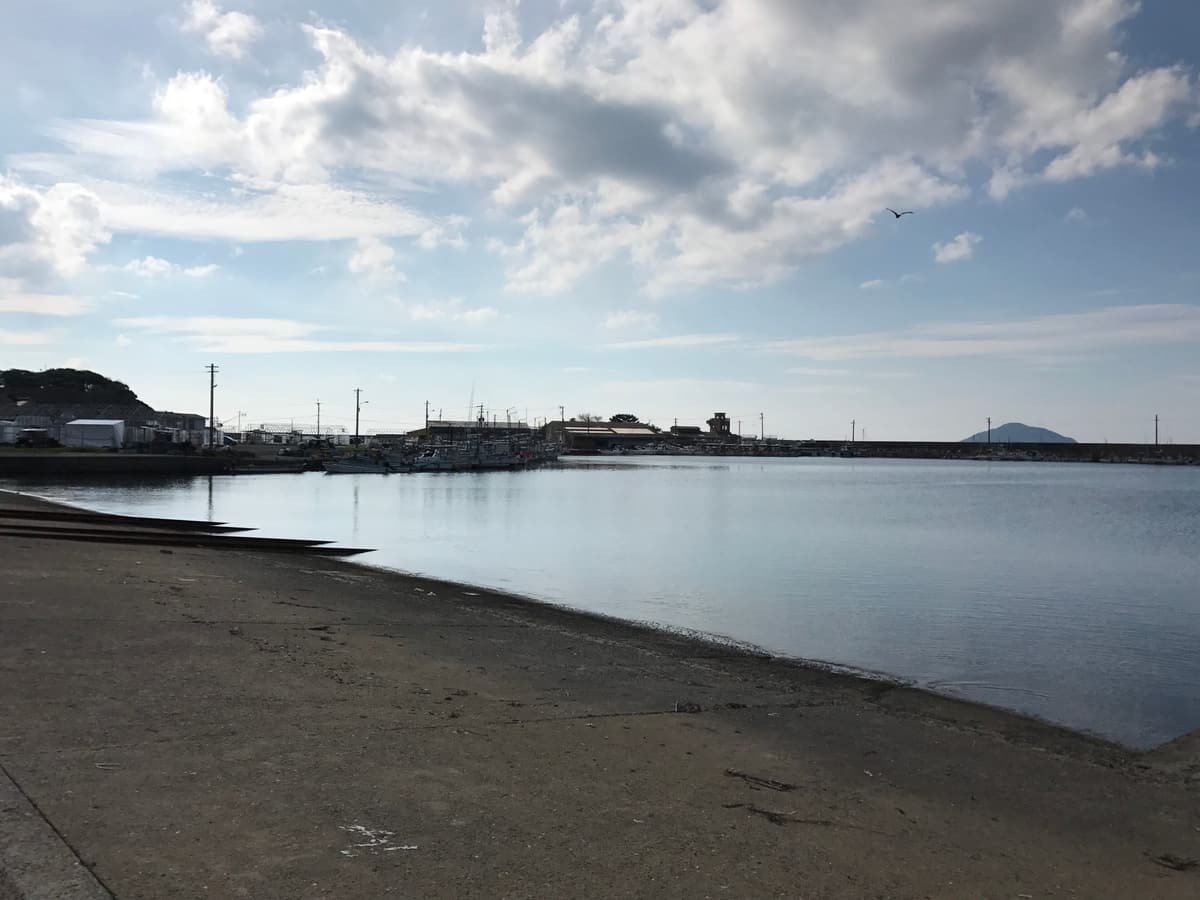
- Kafuri: about 10–15 minutes on foot from JR Kafuri Station, two stops beyond Chikuzen-Maebaru.
- Fukuyoshi: about 10 minutes on foot from JR Fukuyoshi Station.
- Kishi and Funakoshi: by car, taxi or bus from Chikuzen-Maebaru Station (about 20–25 minutes by road). Buses are limited.
- By tour: a private food tour takes care of transport, ordering and translation.
Insider tips
- Wear old clothes. Shells spit as they heat, and most huts lend jackets to protect you from ash and juice.
- Weekends in January and February mean queues from late morning. Go on a weekday, or arrive when the huts open.
- Carry cash; card acceptance is patchy.
- Huts usually charge a small fee per table for the grill, and many set a time limit when it is busy.
- Cook oysters through. The season, opening dates and prices are set each year — check before you travel, especially in October and March.
Best tours & tickets: Winter Oyster Huts
These top-rated experiences are the easiest way to see Winter Oyster Huts and the rest of Itoshima:
Private tour from US$111 Itoshima Nature Tour with Oyster
A private, customizable tour for seafood and nature lovers, built around Itoshima’s fishermen’s huts, beaches and coastal landscapes, with a meal included. Grilled oysters are a winter speciality in Itoshima, so check with the operator what is served in the month you travel.
- Fishermen’s huts and Itoshima seafood
- Sandy beaches and coastal scenery
- A customizable plan with a meal included
Cooking class from US$63 Fukuoka Sushi Making Experience in Itoshima
A short, hands-on class in a neighbourhood restaurant: a sushi chef shows you how to shape the rice, position the toppings and press the pieces together. An easy add-on to an independent day in Itoshima.
- Guidance from a sushi chef
- Shape the rice and press your own sushi
- A relaxed neighbourhood restaurant
 Evening food tour from US$127
Fukuoka Bar Hopping Tour in Itoshima
A guided evening crawl through three local bars, with drinks and food — a look at Itoshima’s local drinking culture, far from the crowds of central Fukuoka. Best if you are staying the night in Itoshima.
- Three different local bars with a guide
- Drinks and food at your own pace
- A quieter side of Fukuoka’s drinking scene