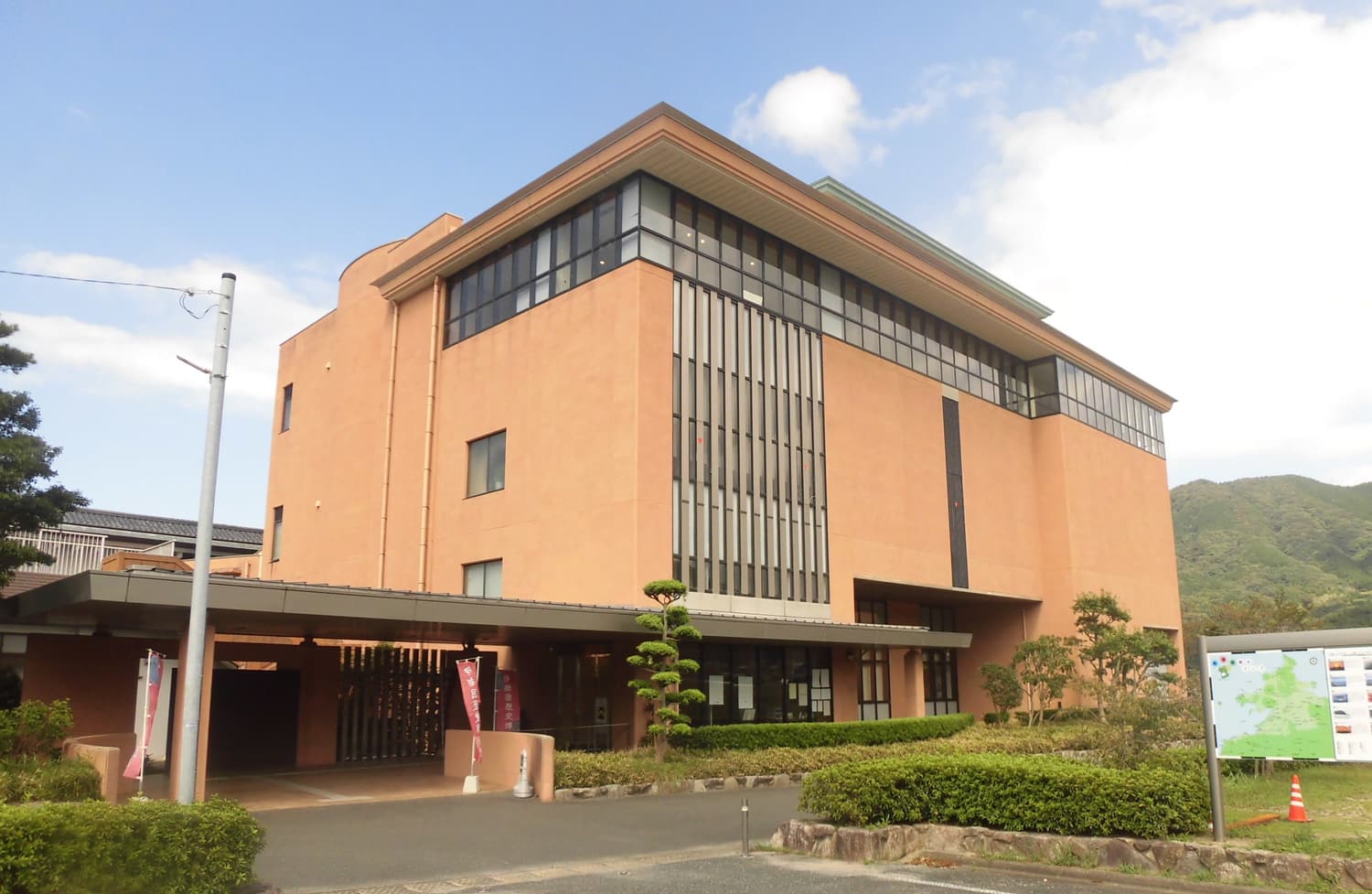
The name “Itoshima” preserves something very old. The third-century Chinese chronicle known in Japan as the Gishi Wajinden describes the route from the continent to the land of Wa and names a kingdom called Ito (Ito-koku), where envoys stayed. Archaeologists place it on this plain — and the royal tombs found here are among the richest of Japan’s Yayoi period.
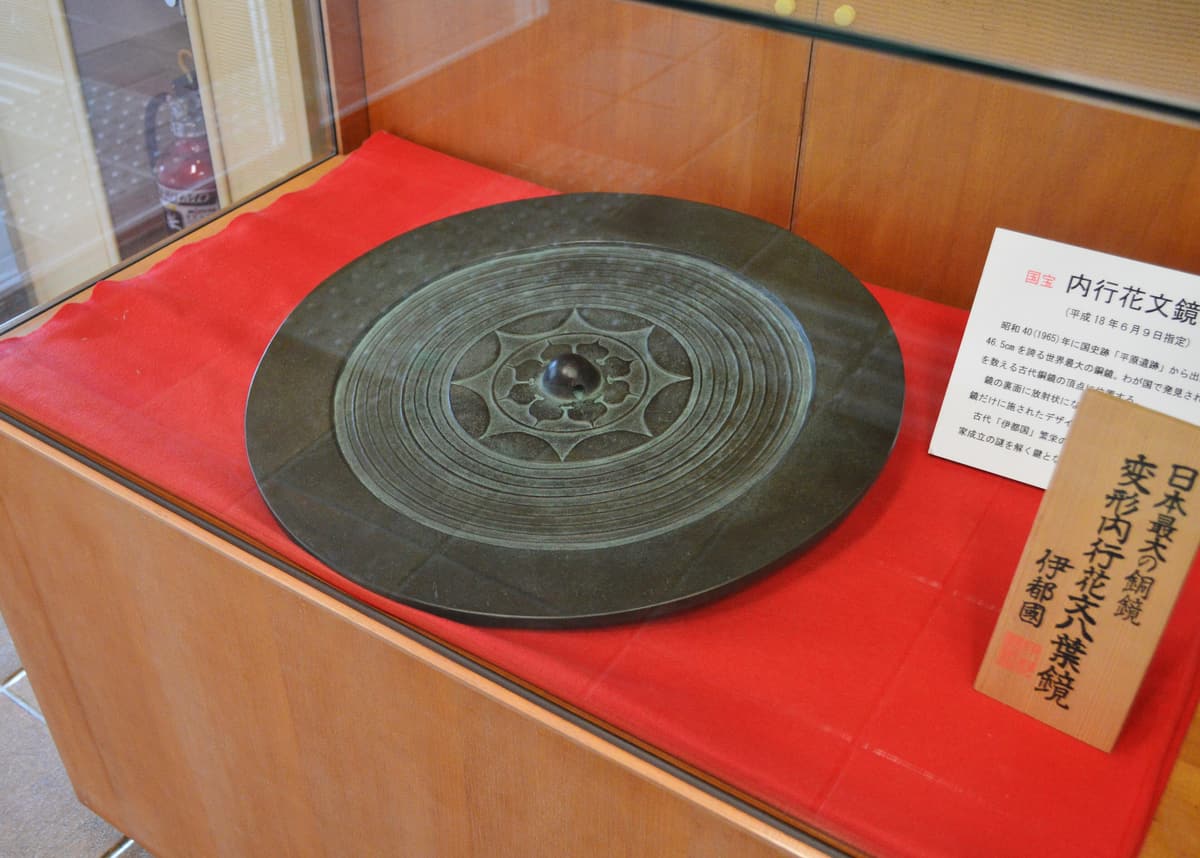
The Itokoku History Museum tells that story. Its centrepiece is the material from the Hirabaru site, a burial mound of around the second century AD: beads, an iron sword and some forty bronze mirrors, together designated a National Treasure. Five of the mirrors measure 46.5 centimetres across — the largest bronze mirrors ever found in Japan.
Top things to do: Itokoku History Museum
See the giant mirrors
The Hirabaru gallery lays out the tomb’s contents much as they were found. Many archaeologists believe the person buried here was a woman of very high rank — a queen or priestess of Ito.
Follow the story of Ito-koku
Other rooms cover the earlier royal tombs of the area, trade with China and Korea, and the later history of the region. Labels are mainly in Japanese; ask at the desk whether foreign-language leaflets or audio guidance are available.
Go up to the viewing floor
The top floor looks over the Itoshima plain to the hills, the same landscape the rulers of Ito governed.
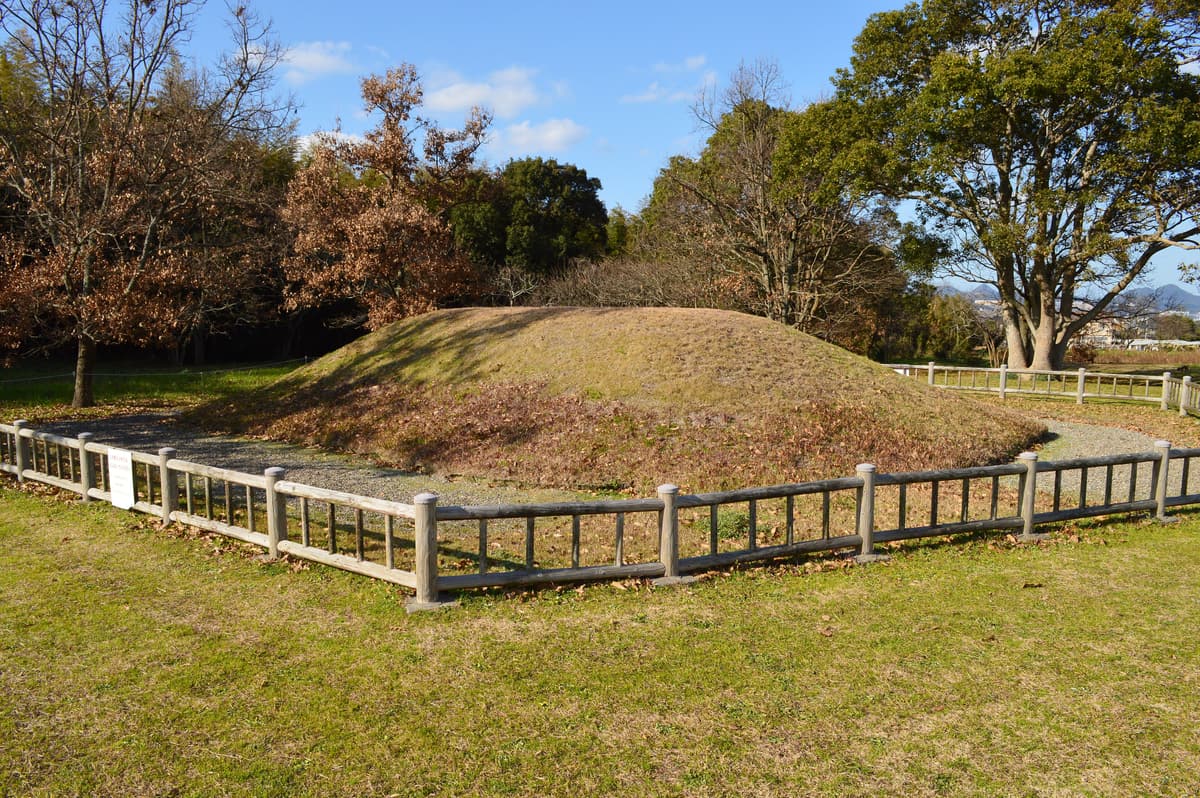
Visit the Hirabaru site
The tomb itself, a short drive from the museum, is now a small historical park with the mound reconstructed in a field. There is little to see beyond the mound and signboards, but it rounds off the visit.
How to get there
- By car: about 10–15 minutes from Chikuzen-Maebaru Station, with free parking.
- By bus or taxi: community buses run from Chikuzen-Maebaru and Hatae stations towards the museum, but infrequently; a taxi is quick and not expensive.
- By bicycle: a flat, easy ride from either station.
Insider tips
- The museum is usually closed on Mondays (or the following day when Monday is a holiday) and over the New Year period. Check before you go.
- Admission is a few hundred yen.
- It is the best rainy-day option in Itoshima, and pairs well with Ito Saisai market, which is nearby.
Best tours & tickets: Itokoku History Museum
These top-rated experiences are the easiest way to see Itokoku History Museum and the rest of Itoshima:
 Private tour from US$95
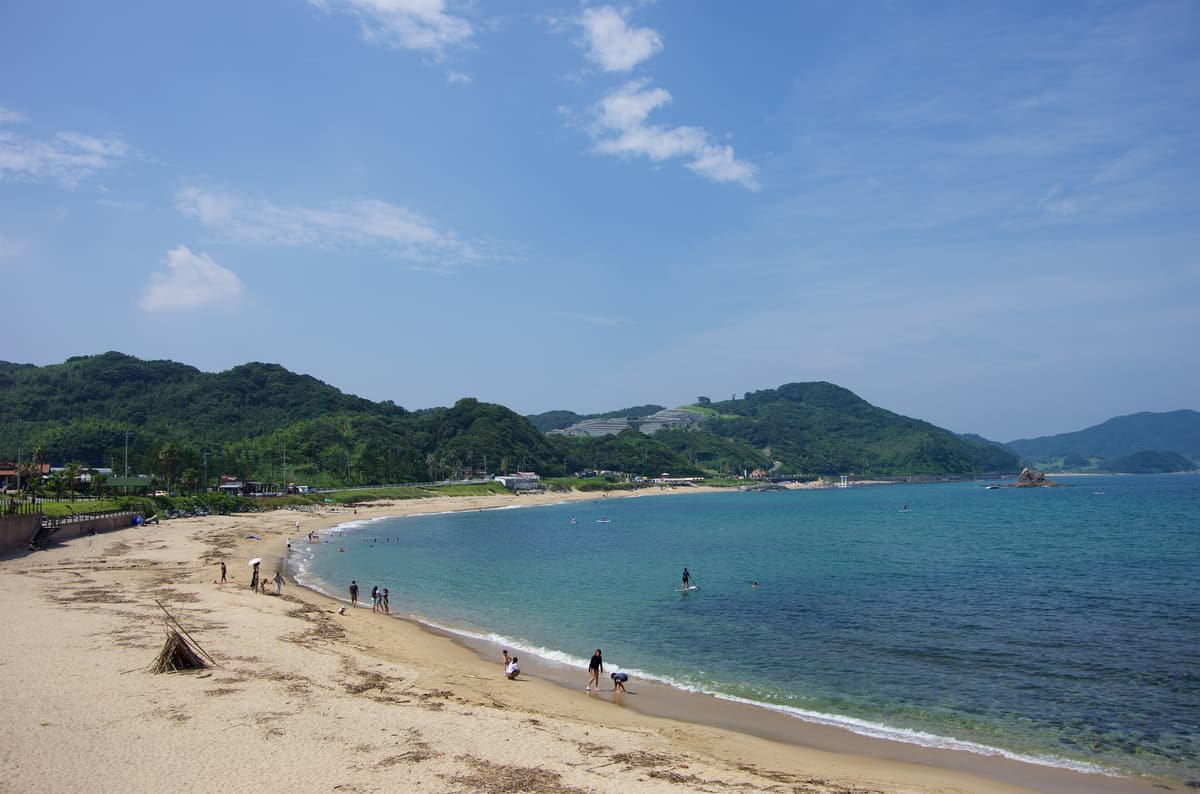
Customized Itoshima Photogenic Tour
A six-hour private tour that you shape with the guide: choose the coast, nature spots or local food and skip what does not interest you. With pickup available and one of the highest ratings of any Itoshima product, it is the flexible alternative to the fixed coach routes.
- A private guide and a route built around your interests
- Nature spots and local food stops
- Pickup available
 Entry ticket from US$4
Fukuoka: Kyushu National Museum Entry Ticket
An entry ticket for the Kyushu National Museum in Dazaifu, whose Cultural Exchange Exhibition explores the history of Japan and Asia. If Itoshima’s Itokoku History Museum has sparked your interest in ancient Kyushu, this is the bigger picture.
- The history of Japan and Asia
- The Cultural Exchange Exhibition Hall
- In Dazaifu, near Tenmangu shrine